Reverse Aging: Is It Really Possible?
Longevity & Aging
•
Mar 05, 2026
•
For centuries, humans have searched for ways to stay younger for longer. From ancient myths about the fountain of youth to modern scientific laboratories, the question has remained the same: can the aging process actually be slowed down or even reversed?
In recent years, the idea of reverse aging has become a major topic in longevity research. Scientists are beginning to understand that aging is not simply a matter of time passing. Instead, it is a biological process driven by changes happening inside our cells.
These changes include declining energy production, reduced cellular repair capacity, and the accumulation of cellular damage over time. Because of these discoveries, researchers are investigating whether supporting cellular systems could slow the aging process and help maintain healthier biological functions.
While complete reverse aging may still be beyond current science, understanding the mechanisms behind aging has opened new possibilities for improving longevity and overall health.
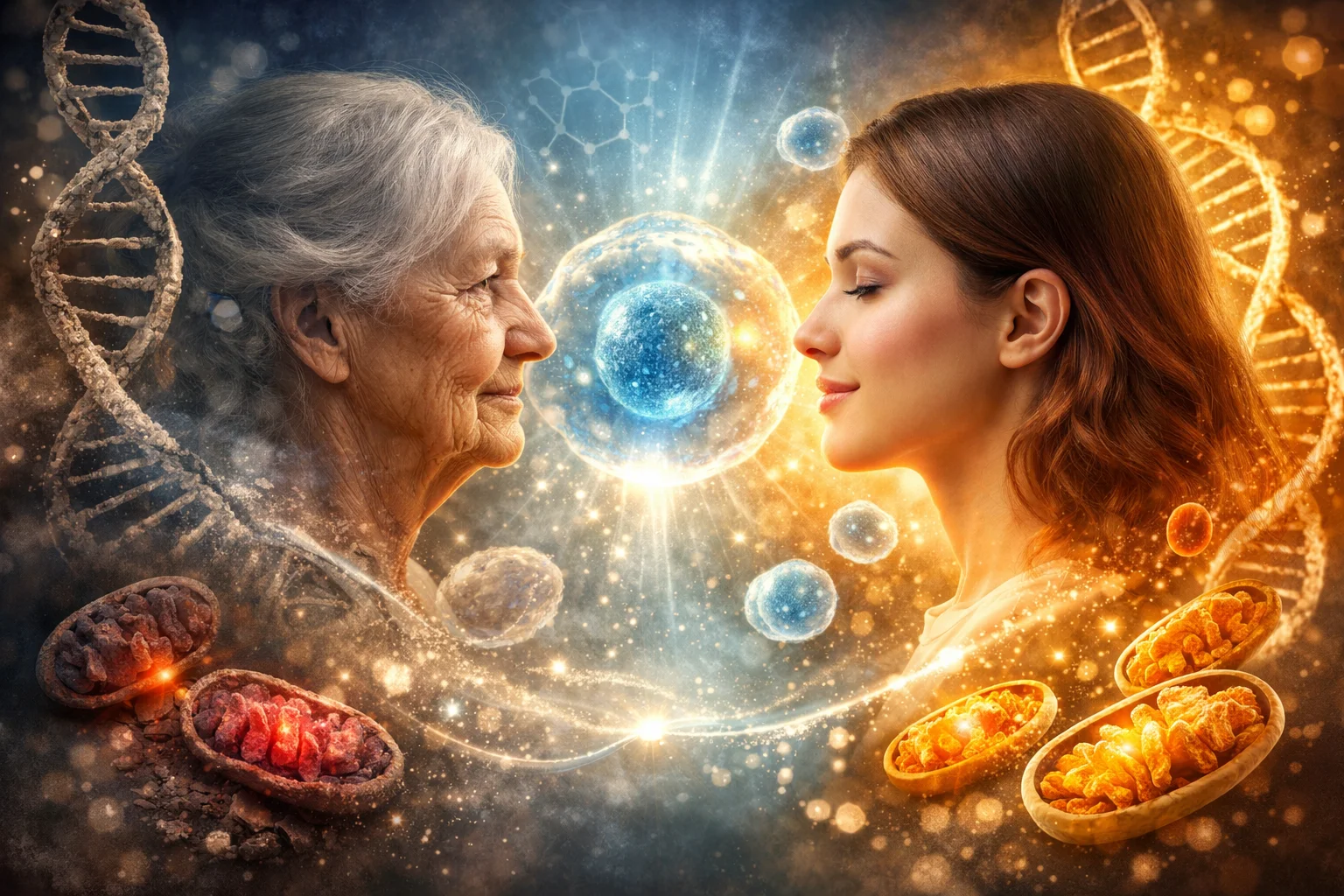
When people hear the phrase reverse aging, they often imagine dramatic transformations where someone becomes physically younger overnight. In scientific discussions, however, the term has a more precise meaning.
Reverse aging generally refers to improving or restoring certain biological processes that naturally decline with age. Instead of reversing time entirely, researchers are studying how to support the body’s natural repair mechanisms and maintain healthy cellular activity.
The primary goal of reverse aging research is to increase what scientists call healthspan. Healthspan represents the number of years a person lives in good health, free from chronic disease and major physical decline.
By focusing on cellular health, metabolic efficiency, and DNA repair systems, researchers hope to better understand how aging can be slowed and how the body can maintain vitality for longer.
Aging occurs because of several biological mechanisms that affect cells over time. Every day, the body experiences small amounts of cellular damage caused by metabolism, environmental exposure, and natural biological processes.
During youth, the body is highly efficient at repairing this damage. However, as people grow older, these repair systems gradually become less effective.
Scientists studying reverse aging often focus on the following biological factors.
| Biological Factor | Effect on Aging |
| DNA Damage | Genetic material accumulates small mutations over time |
| Mitochondrial Decline | Cells produce less energy |
| Cellular Senescence | Older cells stop dividing and accumulate |
| Chronic Inflammation | Long-term inflammation accelerates aging |
| NAD+ Decline | Cellular repair mechanisms become weaker |
Understanding these mechanisms has become one of the most important areas of research in longevity science.
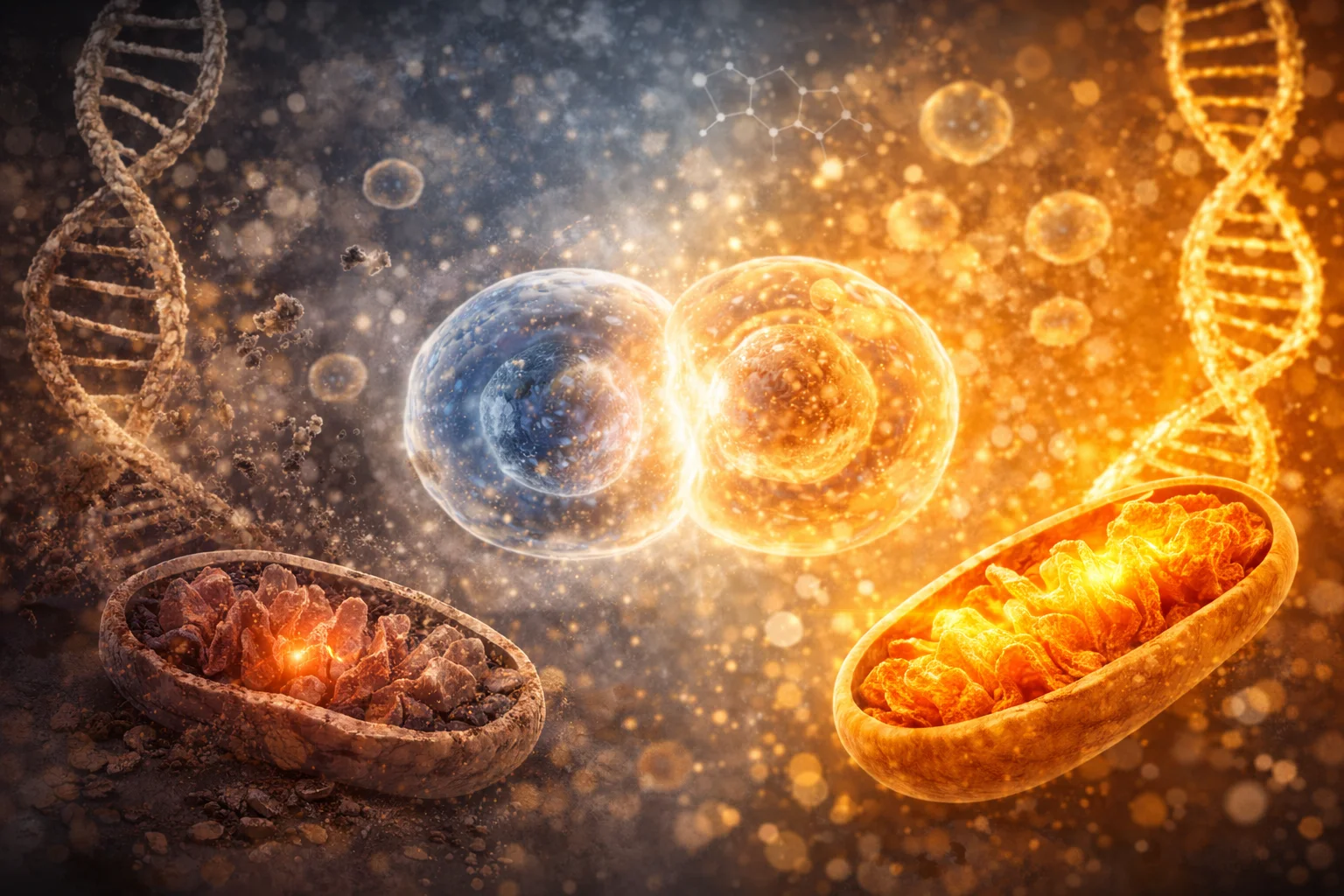
One of the most important molecules currently being studied in longevity science is NAD+.
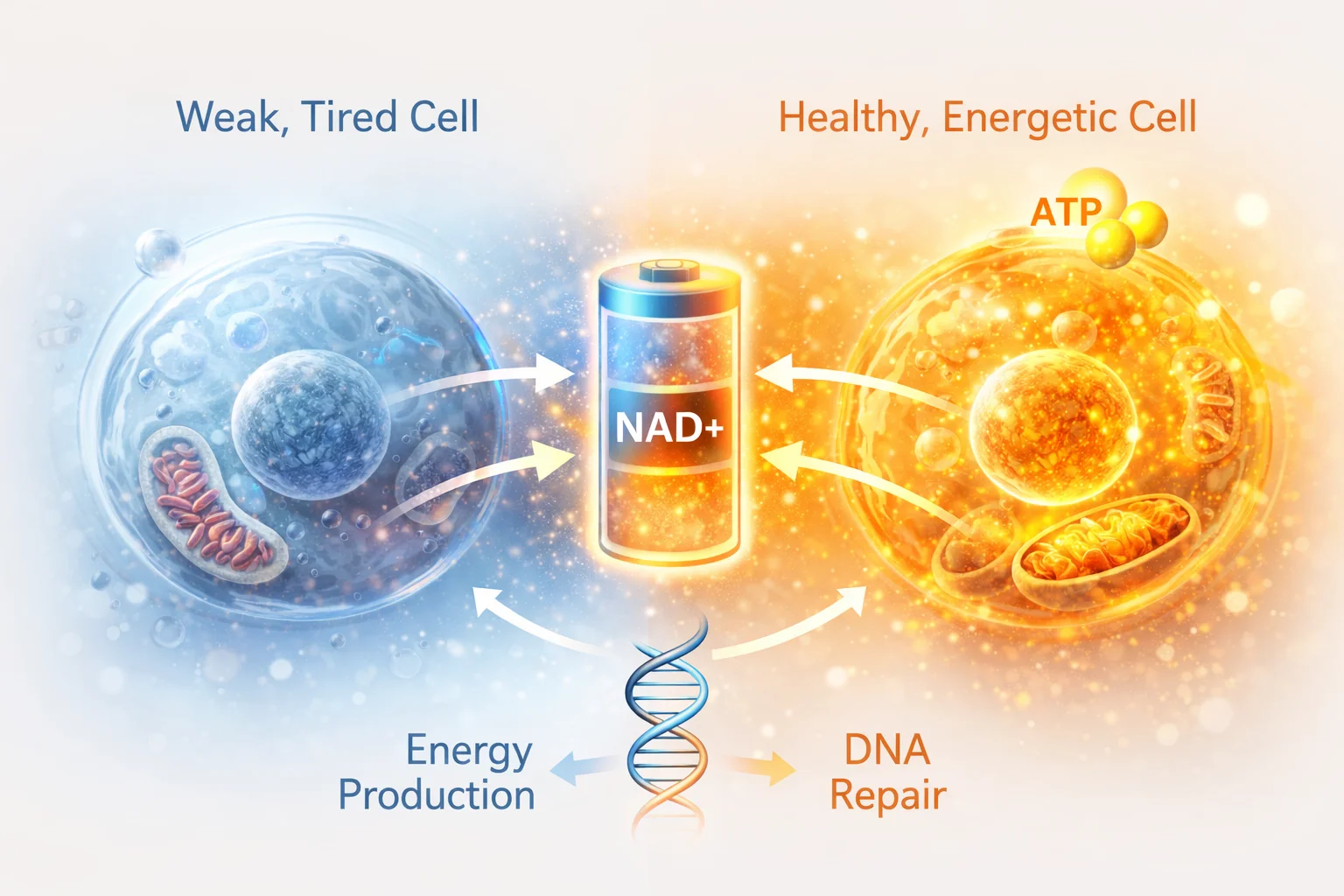
NAD+ is a coenzyme found in every cell of the human body and plays a crucial role in energy metabolism and DNA repair. Scientists have discovered that NAD+ levels naturally decline as people age.
This decline may affect the ability of cells to repair damage and maintain efficient energy production. Because of this connection, researchers are investigating whether maintaining NAD+ levels could support healthier cellular function.
Understanding what is nad and how it influences cellular metabolism has become a central topic in modern reverse aging research.
Although scientists are still exploring the full impact of NAD+ on aging, many studies suggest that cellular metabolism and repair systems may benefit from maintaining optimal levels of this molecule.
Although advanced biotechnology often attracts the most attention in longevity research, everyday lifestyle choices remain one of the most powerful influences on aging.
Regular physical activity helps support mitochondrial function and improves blood circulation. Balanced nutrition provides the essential nutrients needed for cellular repair and metabolic health.
Sleep is another critical factor, as the body performs many important repair processes during deep sleep cycles.
While these habits do not literally create reverse aging, they can significantly influence how quickly biological aging occurs.
Healthy lifestyle patterns associated with longevity include maintaining regular physical activity, eating nutrient-rich foods, managing stress levels, and prioritizing high-quality sleep.
Together, these habits support cellular resilience and help maintain long-term health.
Another area gaining attention in longevity science involves nutritional supplements that may support cellular metabolism.
Researchers are currently studying several compounds that may influence mitochondrial function, oxidative stress, and metabolic pathways associated with aging.
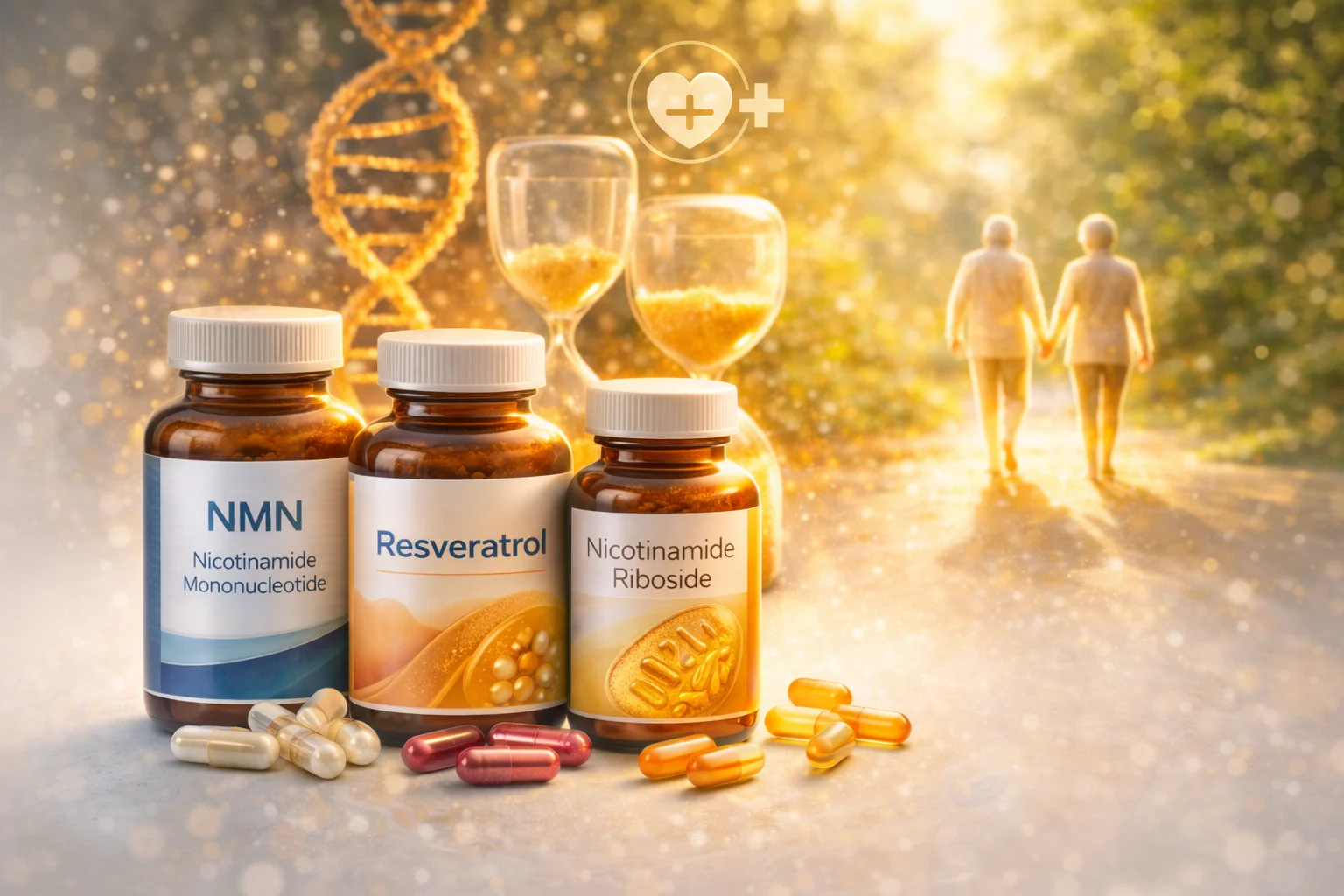
Some of the most commonly discussed supplements include NMN, Nicotinamide Riboside, Resveratrol, and CoQ10.
These compounds are frequently examined in connection with reverse aging and cellular health.
People interested in learning more about this topic can explore detailed resources about best anti aging supplements and how they may support metabolic balance.
Although scientists have not yet discovered a method to completely reverse aging, modern research has significantly improved our understanding of how aging works.
Advances in genetics, metabolic science, and cellular biology are helping researchers explore new possibilities for slowing biological decline.
The realistic goal of reverse aging research is not necessarily to reverse time, but to help people maintain healthier bodies and greater vitality for longer periods.
If future scientific breakthroughs continue at their current pace, the coming decades may bring new strategies for improving longevity and extending healthspan.
Complete reverse aging is not currently possible according to modern science. However, researchers are studying ways to slow biological aging and support healthier cellular function.
NAD+ plays a crucial role in energy production and DNA repair. As NAD+ levels decline with age, cellular repair processes may become less efficient.
Yes. Exercise, balanced nutrition, quality sleep, and stress management all influence biological aging and long-term health.
Some supplements are being studied for their effects on metabolism and cellular health. While research is still ongoing, certain compounds show promising results in longevity research.
📢📢📢📢
The science of aging is evolving rapidly, and new discoveries are constantly reshaping our understanding of longevity. As researchers continue exploring cellular metabolism, DNA repair, and NAD+ biology, the future of reverse aging research may offer new possibilities for maintaining health and vitality.
If you want to stay informed about the latest discoveries in longevity science, explore more educational guides and expert insights on NAD Revival.
Understanding how the body ages may be the first step toward living a longer, healthier life.
If you’ve been researching ways to improve your energy, slow aging, or optimize your health,…
Read More