NAD Injections: Benefits, Side Effects & What to Expect
NAD+ Therapy •
Mar 09, 2026 •
Table of Contents
Over the past few years, a treatment known as NAD injection has quietly moved from experimental longevity clinics into mainstream wellness discussions. Researchers studying metabolism and aging have become increasingly interested in how NAD+ levels influence cellular energy production and repair. As these levels decline with age, scientists began exploring whether restoring them could support metabolic health and improve energy efficiency in the body.
Today, many clinics offer NAD therapy injection treatments designed to increase the availability of NAD in the bloodstream. Some individuals explore the therapy to improve mental clarity or stamina, while others are interested in the potential NAD IV therapy benefits associated with cellular energy production. At the same time, the therapy is often discussed in connection with modern NAD treatment for aging approaches. Before considering treatment, however, it is important to understand what the therapy actually does, what realistic expectations look like, and how the science behind it works.
1. What Is an NAD Injection and Why Is It Getting So Much Attention?
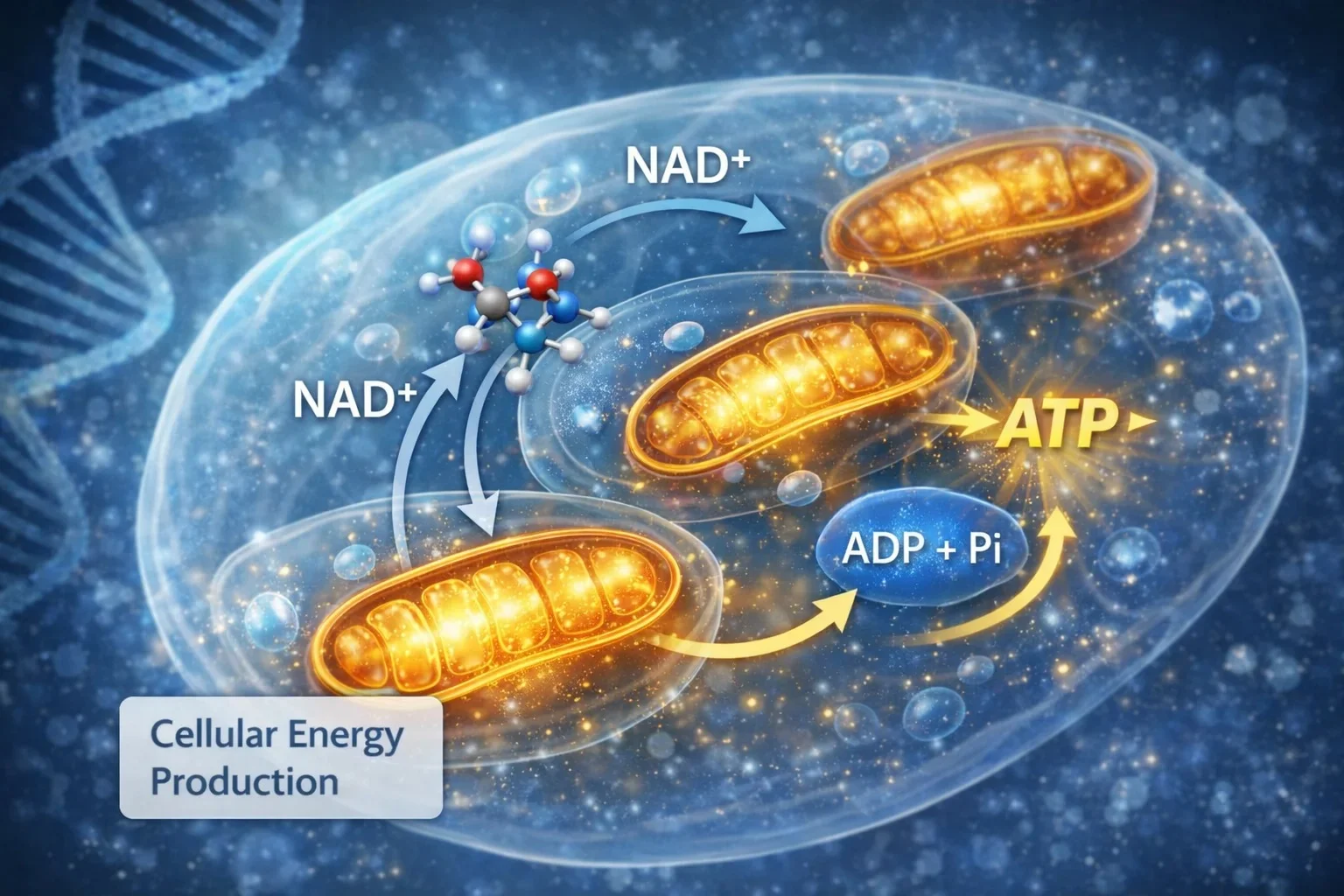
Inside every human cell, thousands of chemical reactions take place every second. These reactions allow cells to produce energy, repair damaged structures, and maintain metabolic stability. One of the key molecules involved in many of these reactions is NAD, short for Nicotinamide Adenine Dinucleotide. When someone receives an NAD+ injection, the intention is to increase the availability of this molecule so that cellular processes can operate more efficiently. Within the mitochondria—the energy-producing centers of cells—NAD helps convert nutrients into ATP, the primary source of cellular energy. When NAD availability decreases, energy production can become less efficient, which is one reason some individuals explore NAD therapy for energy after experiencing fatigue or burnout.
2. Why NAD Levels Decline as We Age
One of the most fascinating discoveries in longevity science is how dramatically NAD availability changes over time. In younger individuals, cells maintain relatively high levels of NAD, allowing metabolic systems to function efficiently. As people grow older, however, several biological factors gradually reduce those levels. Oxidative stress increases, inflammation becomes more common, and DNA repair systems must work harder to maintain stability. All of these processes consume NAD as part of their function. Researchers studying NAD treatment for aging believe that maintaining healthy levels may help support the biological pathways involved in cellular repair and metabolic balance.
3. The Real Benefits People Report from NAD Therapy
Interest in NAD therapy has grown largely because of the potential NAD injection benefits reported by clinics and patients. While results vary, many individuals describe improvements in energy levels, mental clarity, and recovery from fatigue after completing a therapy program. These effects are closely related to the role NAD plays in mitochondrial energy production and cellular metabolism.
TABLE – COMMONLY DISCUSSED NAD THERAPY BENEFITS
Potential Benefit
Explanation
Increased cellular energy
Supports mitochondrial ATP production
Mental clarity
Influences neurotransmitter balance
Metabolic support
Helps regulate glucose metabolism
Cellular repair
Activates longevity-related pathways
Recovery from fatigue
Supports efficient energy production
4. NAD IV Therapy vs NAD Injections
When researching the therapy, many people discover two different methods for delivering NAD. One involves intramuscular injections, while the other uses intravenous infusions. Both approaches aim to increase NAD+ levels, but they differ in how the compound enters the bloodstream.
TABLE – NAD THERAPY METHODS
Therapy Type
Method
Duration
NAD Injection
Intramuscular injection
10–15 minutes
NAD IV Therapy
Intravenous infusion
1–3 hours
5. Possible NAD Injection Side Effects
Although the therapy is generally considered safe when administered by qualified professionals, NAD injection side effects can occasionally occur. Some individuals report mild nausea, flushing, or fatigue during treatment. These symptoms are usually temporary and tend to resolve quickly once the infusion rate is adjusted.
6. NAD Injection Cost: What Patients Should Expect
Another practical consideration for many people involves the financial aspect of treatment. The NAD injection cost can vary depending on the clinic, treatment method, and number of sessions required.
TABLE – ESTIMATED NAD THERAPY COST
Treatment Type
Estimated Cost
Single injection session
$100 – $300
IV therapy session
$400 – $1500
Multi-session programs
$2000 – $5000
FREQUENTLY ASKED QUESTIONS
Is NAD injection safe?
When administered in a professional medical environment, NAD therapy is generally considered safe, though mild reactions may occasionally occur.
How quickly does NAD therapy work?
Some individuals report improved energy after several sessions, while others notice more gradual changes.
What are the main NAD injection benefits?
Improved cellular energy production, better mental clarity, and metabolic support are commonly mentioned.
FINAL THOUGHTS
The increasing interest in NAD therapy reflects a broader shift in modern medicine toward supporting cellular health and metabolic resilience. While research continues to evolve, therapies designed to restore NAD availability represent one of the most intriguing developments in longevity science.
Curious whether NAD therapy could support your energy levels and long-term wellness?
👉 Contact us today to schedule a consultation and learn more about NAD therapy options.