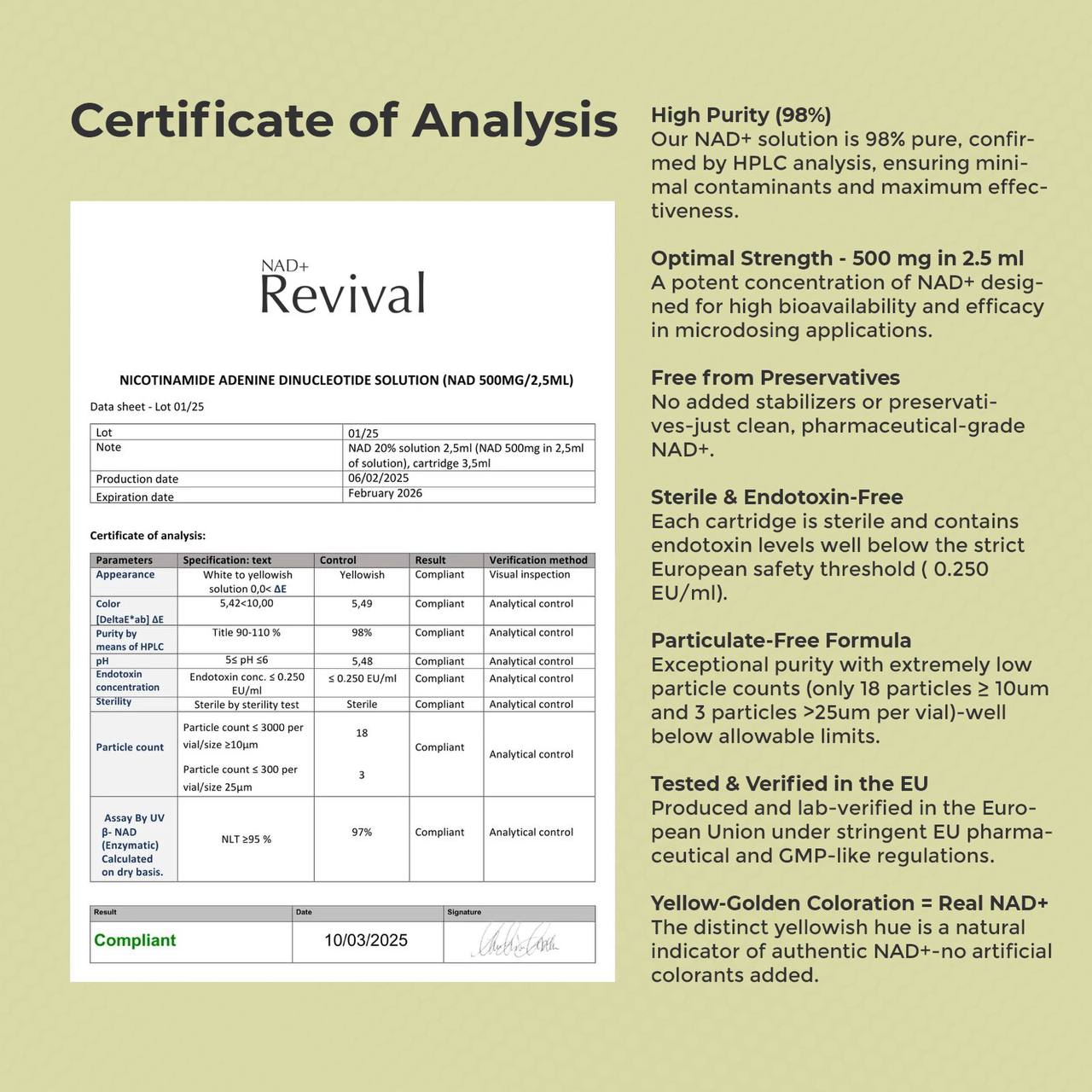
NAD+ Bioavailability: Which Form Works Best?
NAD+ Supplements
•
Mar 15, 2026
•

A few years ago, during a visit to a longevity clinic in Switzerland, I had a conversation with a physician who had spent more than two decades researching metabolic health and cellular aging. In the middle of our discussion about supplements, he mentioned something that completely changed how I think about nutrition and longevity.
He said that most people are focused on what they take, but very few stop to consider whether their body can actually absorb it. That insight goes straight to the heart of the conversation about NAD+ bioavailability. In recent years, NAD+ has shifted from being a relatively unknown biochemical molecule to one of the most discussed subjects in modern longevity science. Researchers, wellness clinics, and health-focused individuals are increasingly interested in how improving NAD+ availability in the body may support cellular energy, metabolic balance, and long-term resilience.
NAD+, which stands for nicotinamide adenine dinucleotide, is not an artificial compound created by supplement companies. It exists naturally inside every cell of the human body and plays a central role in energy metabolism. Without it, the cellular processes that convert nutrients into usable energy would slow dramatically.

Scientists have also discovered that NAD+ participates in mechanisms related to DNA repair and mitochondrial efficiency. Because mitochondria are responsible for producing most of the energy that powers our cells, any molecule that influences their performance naturally attracts scientific interest. The challenge, however, lies in understanding how to increase NAD+ levels in a way that truly affects the body. Taking a supplement does not automatically mean the compound reaches the cells where it is needed. That difference between consumption and absorption is what scientists refer to as bioavailability, and it is the key concept behind understanding which form of NAD+ actually works best.
For more information, please visit the NAD & Anti-Aging page.
To understand why NAD+ has attracted so much attention in recent years, it helps to look at how scientists now approach the study of aging. For a long time, aging was considered an inevitable process largely controlled by genetics. Today, however, research tells a more complex story. Over the past two decades, scientists have discovered that metabolic systems play a far greater role in how our bodies age than previously believed. Inside every cell, a continuous cycle of repair and maintenance is taking place. Cells repair damage, control oxidative stress, and regulate the production of energy needed for everyday biological functions.
When these systems operate efficiently, tissues remain stronger and more resilient. But when cellular metabolism begins to slow down, the visible and biological signs of aging gradually become more noticeable, which is why understanding NAD+ bioavailability has become increasingly important in modern longevity research.
One of the molecules that appears repeatedly in this research is NAD+. Scientists have observed that NAD+ levels gradually decline as organisms age. At the same time, enzymes responsible for cellular repair become less active. These enzymes, particularly a family known as sirtuins, rely on NAD+ to function. When NAD+ levels drop, the activity of these protective systems also decreases. This connection explains why researchers now associate NAD+ metabolism with long-term NAD+ cellular health, a concept describing how well cells maintain their energy production and repair capabilities over time.
The discovery did not immediately lead to practical solutions. Restoring NAD+ levels inside the body turned out to be more complicated than simply consuming more of the molecule. The body regulates NAD+ through complex biochemical pathways, and digestion can alter the compound before it reaches circulation. As a result, scientists began exploring different delivery methods to determine which forms of NAD+ supplementation might actually influence cellular levels.
When people evaluate supplements, they often focus on dosage or brand reputation. Yet the most important factor is frequently overlooked: how much of the compound actually reaches the bloodstream. Bioavailability refers to the proportion of a substance that enters circulation and becomes available for biological use. If a compound breaks down during digestion or metabolism, its practical impact may be far lower than expected.
In the case of NAD+, this challenge is particularly significant. The molecule is relatively complex, and the digestive system can degrade it before it reaches the bloodstream. That means a capsule containing NAD+ does not necessarily deliver the same amount to the cells. For researchers studying metabolic health, this raises an important question. If oral NAD+ is partially broken down during digestion, would alternative delivery methods produce stronger results? This question has led to the development of several different approaches to NAD+ supplementation, each designed to improve absorption in a slightly different way.
For many people exploring ways to increase NAD+ levels, oral supplements are usually the first option they come across. Capsules and powdered formulas are widely available and relatively affordable, which makes them accessible to a large number of health-conscious consumers.
Their main advantage is convenience. Taking a capsule requires no special preparation, no clinic visit, and no medical supervision, so it can easily become part of a daily wellness routine. This practicality explains why oral supplements remain one of the most common approaches people use when they begin learning about NAD+ bioavailability and cellular energy support.
At the same time, the digestive process introduces certain limitations that are important to understand. When NAD+ is consumed orally, enzymes in the gastrointestinal tract can break the molecule into smaller components before it has the chance to enter the bloodstream. In addition, the liver may metabolize part of the compound during what scientists call first-pass metabolism.
Because of this process, the amount that ultimately reaches circulation and contributes to cellular metabolism may be lower than many people expect. This does not mean oral supplements are ineffective. In fact, some individuals report gradual improvements in energy levels and recovery when they use them consistently over longer periods. However, these limitations encouraged researchers to investigate alternative compounds that the body could convert into NAD+ more efficiently after absorption.
Rather than delivering NAD+ directly, many modern supplements focus on providing precursor molecules that the body can naturally convert into NAD+ through its own metabolic pathways. Two of the most widely researched compounds in this category are nicotinamide mononucleotide (NMN) and nicotinamide riboside (NR). These molecules act as essential building blocks that cells use to produce NAD+ internally. Because their molecular structure is smaller and easier for the body to absorb through the digestive system, researchers often consider precursor supplements a practical strategy for improving NAD+ bioavailability and supporting the body’s natural metabolic balance.
In everyday use, people who incorporate precursor supplements into their routine often describe gradual and steady changes rather than dramatic overnight effects. Many report feeling more consistent energy throughout the day, along with improved recovery after exercise or demanding physical activity. These experiences reflect the way precursor compounds work within the body’s existing metabolic systems rather than bypassing them. For individuals looking for long-term metabolic support, this approach can feel more sustainable and aligned with natural biological processes than relying solely on high-dose direct supplementation.

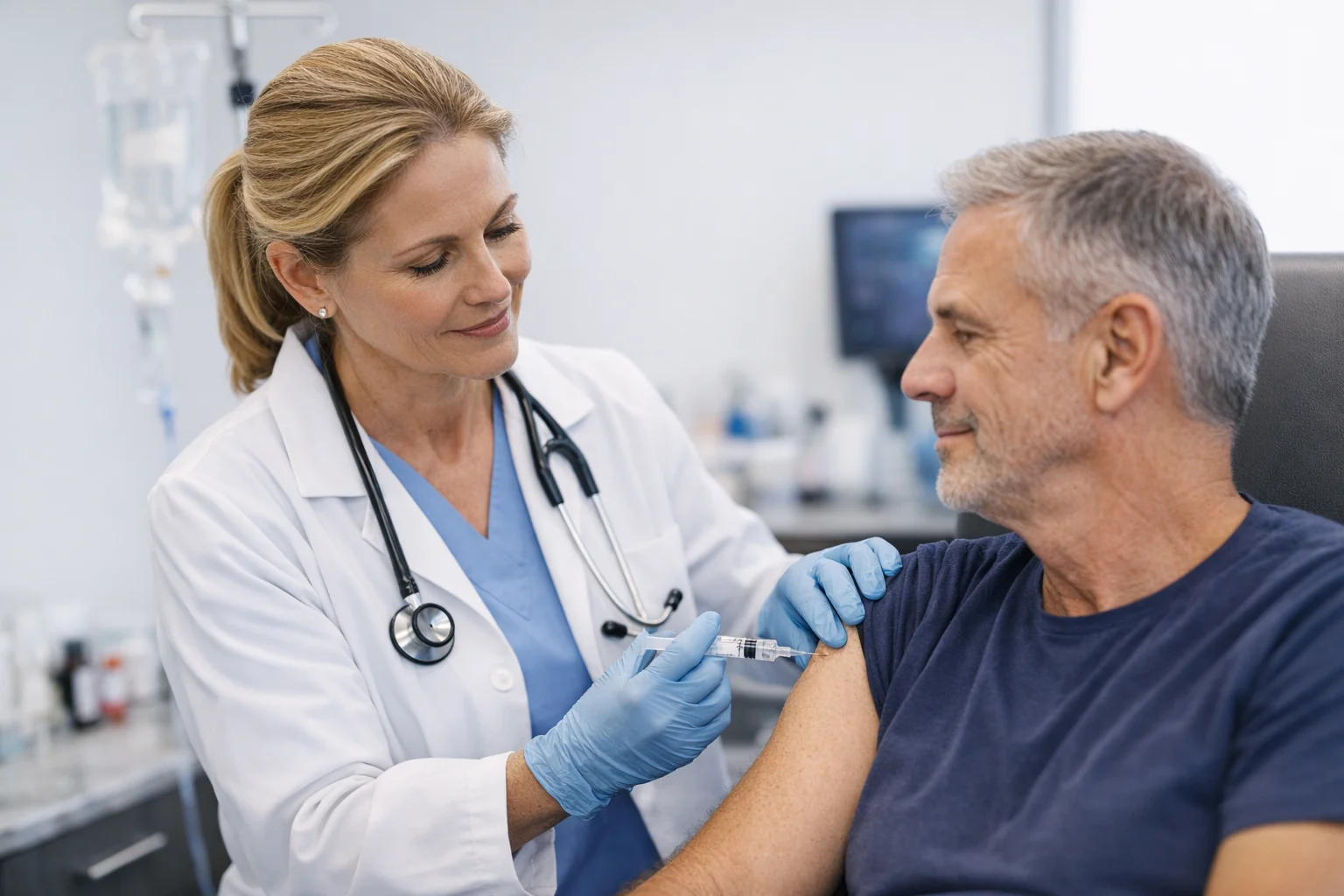
In medical environments, physicians sometimes use more direct strategies to deliver NAD+. One method involves intravenous infusion, where the compound enters the bloodstream through a controlled IV drip. Because digestion is bypassed, bioavailability increases significantly. Some longevity clinics use this therapy in programs designed to support metabolic recovery and cellular energy production.
Another clinical approach involves NAD injection, in which smaller doses are administered intramuscularly or subcutaneously. This method allows the compound to enter circulation relatively quickly while avoiding the digestive system entirely. Although injections may offer improved efficiency compared with oral supplements, they should always be performed under medical supervision. Clinical therapies can provide valuable tools in specific situations, but they are not necessarily required for everyone interested in supporting metabolic health.
To understand the differences between NAD+ delivery strategies, it helps to compare them across several practical factors.
| Delivery Method | Bioavailability | Speed | Convenience |
| Oral Supplements | Moderate | Slow | Very High |
| NMN / NR Precursors | Moderate–High | Moderate | High |
| IV Therapy | Very High | Immediate | Low |
| NAD Injection | High | Fast | Moderate |
This comparison highlights an important insight. No single method is universally superior. The most suitable option often depends on individual goals, lifestyle, and medical guidance.
NAD+ functions as a coenzyme involved in cellular metabolism, energy production, and DNA repair processes.
Some supplements may support NAD+ production, especially precursor compounds such as NMN or NR. Results can vary depending on metabolism and lifestyle.
Not necessarily. Many people rely on supplements and lifestyle habits, while others explore clinical treatments under medical supervision.
Interest in NAD+ has grown rapidly over the past decade, and that growth reflects a larger shift in how scientists now think about health and aging. Rather than focusing only on symptoms that appear later in life, modern research increasingly looks at the cellular systems that regulate energy production, repair processes, and metabolic balance. From this perspective, NAD+ is not simply another supplement trend, but part of a deeper biological conversation about how cells maintain resilience over time. This is why researchers continue to study different delivery methods and how they influence NAD+ bioavailability, which ultimately determines how much of the compound can actually reach the cells that need it.
For individuals interested in supporting energy levels, recovery, and long-term metabolic resilience, understanding how NAD+ works inside the body can be a valuable starting point. Learning about absorption, delivery methods, and lifestyle factors allows people to approach supplementation more thoughtfully rather than relying on marketing claims alone. When informed decisions about NAD+ support are combined with balanced nutrition, regular physical activity, and healthy sleep patterns, they may contribute to the broader goal of maintaining cellular function and vitality over the long term.
No related articles found.