Alcohol and NAD Levels: Does Drinking Deplete NAD+?
Longevity Science •
Apr 21, 2026 •
Table of Contents
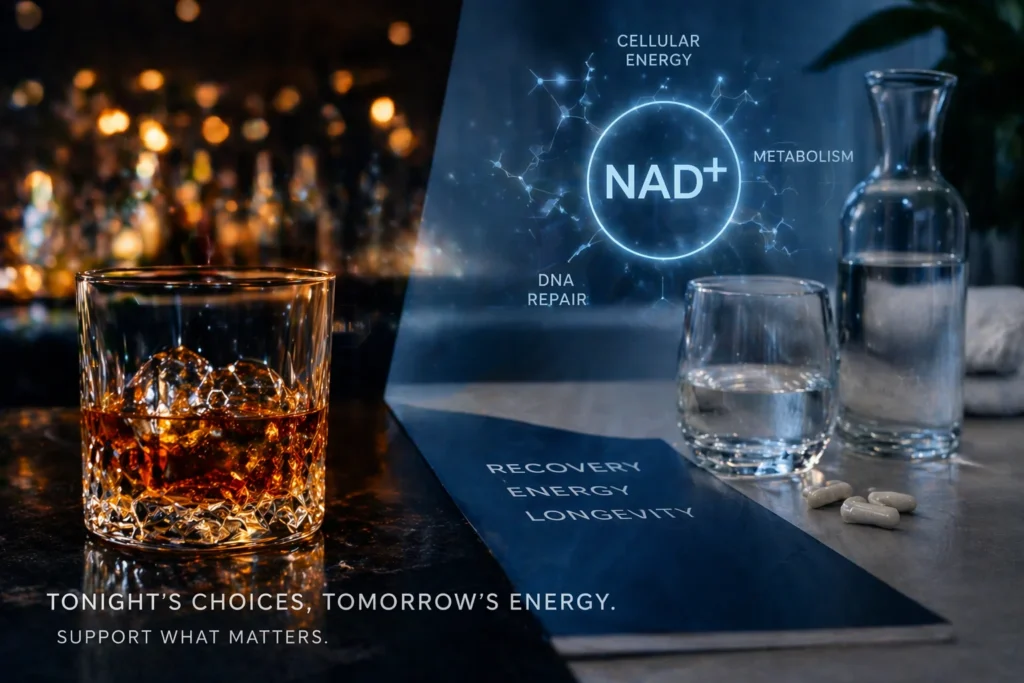
Alcohol affects far more than mood, hydration, or next-day energy. At the cellular level, it can place a real burden on the body’s recovery systems. That is why more people are now asking about the connection between alcohol and NAD levels and whether drinking may deplete one of the body’s most important molecules for energy and repair.
NAD+ plays a central role in cellular metabolism, mitochondrial function, and recovery. It helps cells produce energy and supports many processes involved in maintenance, resilience, and overall wellness. But alcohol metabolism is demanding, and one reason it can leave people feeling drained is that the body uses key metabolic resources while processing it.
This is where the conversation becomes important. If alcohol creates stress on the body and draws on systems linked to cellular energy, then understanding alcohol and NAD levels may help explain why drinking is often followed by fatigue, poor sleep, brain fog, and reduced physical recovery. For people already focused on energy, performance, or healthy aging, this topic matters even more.
What Is the Link Between Alcohol and NAD Levels?
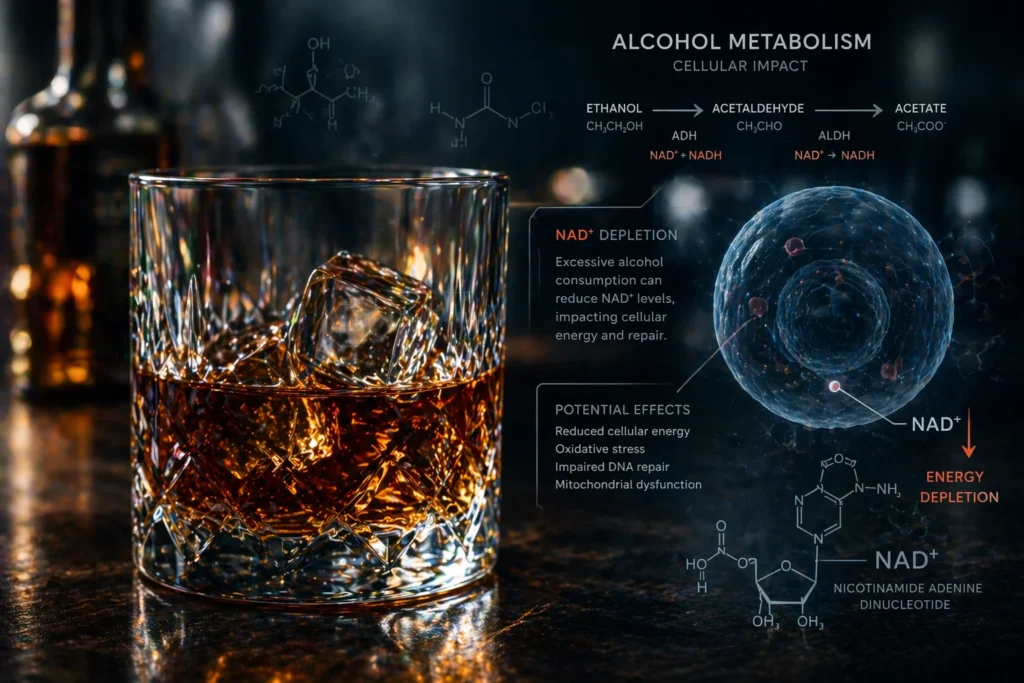
To understand the relationship between alcohol and NAD levels, it helps to start with metabolism. When alcohol enters the body, it must be broken down through a sequence of biochemical processes, primarily in the liver. These processes depend on cofactors and enzymes that help convert alcohol into compounds the body can handle and eliminate.
NAD+ is directly involved in this metabolic chain. In simple terms, alcohol metabolism uses NAD+ and shifts the body’s redox balance while the liver works to process what has been consumed. This is one reason the body can feel strained after drinking. The issue is not only dehydration or lost sleep. It is also that alcohol can interfere with normal metabolic balance at the cellular level.
That does not mean one drink instantly “destroys” your NAD+ status. But repeated drinking, heavier intake, or poor recovery habits may contribute to a pattern where the body feels progressively less resilient.
Why NAD+ Matters for Energy and Recovery
NAD+ is essential for turning nutrients into usable cellular energy. It supports mitochondrial activity, recovery pathways, and overall metabolic function. When NAD+ availability is reduced or when the body is under higher metabolic stress, people may notice effects such as:
lower energy
slower recovery
mental fog
reduced resilience
feeling more depleted after stressors
This is why the connection between alcohol and NAD levels matters so much. Alcohol does not just influence the social moment. It can affect how restored or depleted you feel in the hours and days that follow.
If you are still building the basics, it helps to first understand What Is Nad and why it matters to cellular health before going deeper into alcohol-related depletion.
Does Alcohol Really Deplete NAD+?
The short answer is that alcohol metabolism can place a meaningful demand on NAD-related pathways. As the body processes alcohol, NAD+ is used in the biochemical conversion steps involved in breaking it down. This helps explain why alcohol can feel metabolically expensive.
In practical terms, the more drinking disrupts metabolic balance, the more recovery the body may need afterward. That is one reason people often feel:
unusually tired the next day
mentally slower or less focused
physically less recovered
more sensitive to stress
sleep-deprived even after spending enough time in bed
So yes, the topic of alcohol and NAD levels is grounded in real biology. Drinking can contribute to conditions where the body’s energy and repair systems feel more burdened.
Why Drinking Can Leave You Feeling So Depleted
Many people think the aftermath of drinking is mainly about dehydration, but that is only part of the picture. Alcohol can affect hydration, sleep quality, nutrient handling, inflammatory balance, and liver workload all at once.
That combined burden may explain why people often report:
poor morning energy
reduced workout performance
slower mental clarity
worse mood and focus
less restorative sleep
When you look at alcohol and NAD levels together, the picture becomes more complete. Alcohol can create a deeper recovery cost than people realize because it affects core cellular processes, not just surface-level comfort.
Alcohol, Sleep, and Next-Day Recovery
One of the most frustrating effects of drinking is that it can make people feel exhausted without actually helping them recover. Some people fall asleep faster after alcohol, but the sleep quality is often worse. Rest becomes more fragmented, less restorative, and less helpful for real recovery.
This matters because poor sleep and metabolic stress can reinforce each other. When alcohol strains the body and disrupts recovery, people may wake up feeling even more depleted than expected.
That is why the topic also connects closely with NAD for Sleep. Better cellular support does not replace healthy habits, but sleep quality and metabolic resilience are deeply connected. If drinking has already compromised rest, the body may struggle even more to bounce back.
Who Should Care Most About Alcohol and NAD Levels?
This topic is especially relevant for people who:
care about long-term energy
exercise regularly
notice worse recovery after drinking
feel mentally foggy the next day
are focused on healthy aging or metabolic wellness
For these individuals, understanding alcohol and NAD levels is not just academic. It helps explain why even moderate habits can sometimes feel more draining than expected.
Can Supporting NAD+ Help After Alcohol?
NAD+ support is not a license to drink heavily, and it should not be framed as a shortcut that cancels out alcohol’s effects. But for people who want to support energy, recovery, and resilience more intentionally, NAD-focused wellness strategies may still be valuable.
The goal is not to “undo” alcohol instantly. The goal is to help support the body’s broader recovery systems so that energy, clarity, and resilience are better maintained over time.
For users looking for a practical option, this is where products like the NAD pen can become relevant. A convenient delivery format may fit more easily into a structured wellness routine, especially for people who care about consistency rather than occasional use.
How Product Support Can Fit Into a Wellness Routine
When people start looking into better recovery strategies, they often want a simple and practical place to begin. For many users, that means starting with a well-designed solution that is easy to use and easy to stay consistent with.
A Starter Kit can be especially useful for first-time users who want a more guided beginning. It creates a clearer entry point into a NAD-focused routine and reduces confusion around getting started.
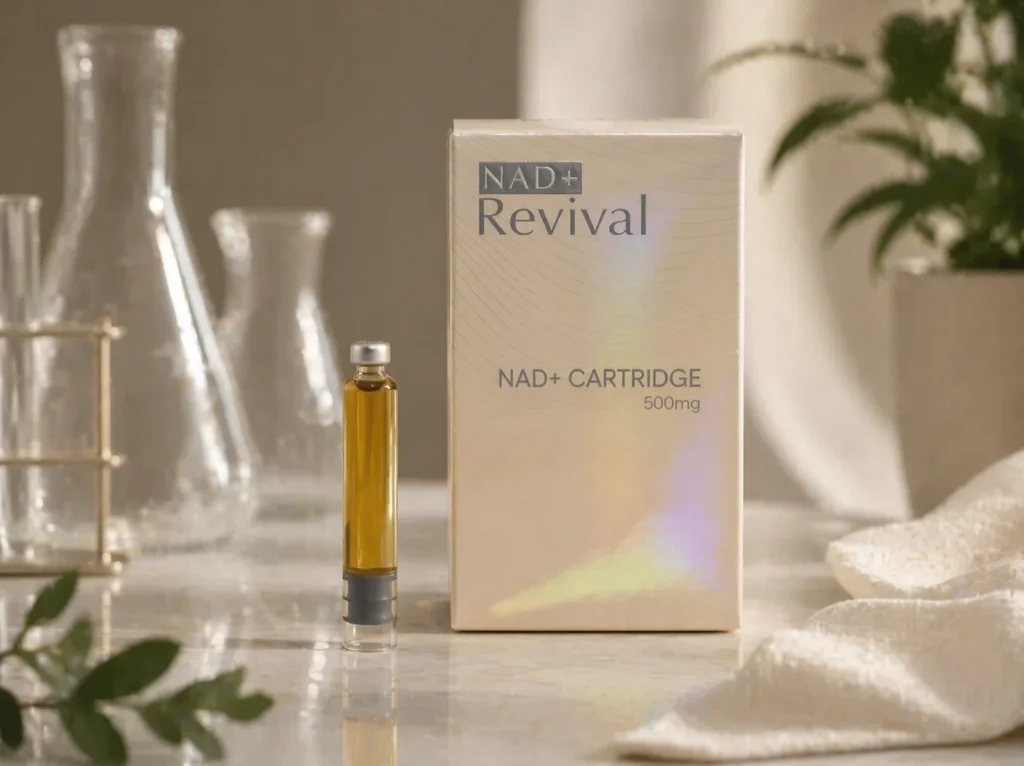
For ongoing use, a Cartridge may fit naturally into a repeatable wellness plan. This can be especially relevant for people who want to maintain consistency over time rather than treat recovery support as a one-off action.
In other words, when discussing alcohol and NAD levels, the product conversation should not feel separate from the science. If the goal is better recovery habits, then practical routine-building tools matter.
Is Timing Important If Alcohol Is Part of the Picture?
Yes, timing can matter, especially if your goal is to support daytime energy and avoid disrupting sleep further. Many people already exploring recovery support ask about the best time to take NAD because they want a routine that works with their day, not against it.
In general, earlier use often makes the most sense for people who want support aligned with daytime function, exercise, and overall productivity. Late use may not feel ideal for everyone, especially if alcohol has already disrupted rest and recovery.
Why Consistency Matters More Than Occasional Recovery Thinking
One of the most common mistakes people make is only thinking about recovery after they already feel terrible. But real recovery support works best as part of a steady routine. If you only think about cellular support once you are already depleted, you are reacting late instead of building resilience earlier.
That is why the conversation around alcohol and NAD levels should be viewed in a broader context. The question is not only what happens after drinking. The question is how well your body is supported overall, day after day.
For many users, that means:
better hydration
more consistent sleep
lower alcohol burden overall
stronger nutrition habits
a practical NAD-support routine
What Alcohol Does Not Mean
It is important not to overstate the case. Alcohol exposure does not mean your health goals are ruined. It does not mean every social event creates a major cellular crisis. But it does mean there is a real metabolic cost, and the body must work to recover from it.
Being realistic is what matters. If drinking has become a pattern that leaves you tired, foggy, or less resilient, then the issue may be bigger than “just a bad night.” Looking at alcohol and NAD levels may help explain why the effect feels deeper than expected.
Final Thoughts
The connection between alcohol and NAD levels is an important one for anyone focused on energy, recovery, and long-term wellness. Alcohol metabolism places real demands on the body, and NAD+ is involved in the processes that help manage that burden. This helps explain why drinking can leave people feeling so depleted, mentally foggy, and poorly recovered.
While NAD+ support is not a free pass for unhealthy habits, it can still be part of a smarter recovery strategy. Better routines, stronger consistency, and practical support tools may help people feel more resilient over time.
For users looking to take a more structured approach, solutions such as a Starter Kit for getting started and an ongoing Cartridgefor consistency can fit naturally into a broader wellness plan. Combined with better sleep, hydration, and moderation, these choices may help support a healthier recovery rhythm overall.
FAQ
Does alcohol lower NAD levels?
Alcohol metabolism uses NAD-related pathways and can place a burden on the body’s metabolic balance, which is why drinking may contribute to depletion and reduced recovery.
Why do I feel so tired after drinking alcohol?
Alcohol can affect hydration, sleep quality, inflammation, liver workload, and cellular energy balance, which together may leave you feeling more depleted.
Can NAD help after drinking?
NAD support may help support broader recovery and energy systems, but it should not be viewed as a shortcut that cancels out alcohol’s effects.
Is alcohol bad for sleep recovery?
Yes, alcohol often reduces sleep quality even when it seems to help you fall asleep faster. Recovery may be weaker and less restorative.
What is the best way to support recovery if I drink?
Better hydration, good sleep habits, moderation, and a consistent wellness routine may all help support recovery more effectively.