Written by the NAD Revival Editorial Team | Last reviewed: 14 May 2026
Key Takeaways
- NAD+ (nicotinamide adenine dinucleotide) is a coenzyme found in every living cell, playing a central role in energy metabolism and DNA repair.
- If you want to buy a NAD+ injection pen in the UK, injectable NAD+ may offer higher bioavailability than oral supplements — preliminary research suggests subcutaneous delivery bypasses first-pass metabolism in the gut.
- Choosing a pharmaceutical-grade product with transparent ingredient sourcing is essential when you buy a NAD+ injection pen in the UK.
- NAD+ products are food supplements and wellness products — they are not medicines, and they do not treat or prevent any disease or medical condition.
- Always consult a qualified healthcare professional before starting any new supplement regimen, particularly if you have an existing health condition or take medication.
If you are looking to buy a NAD+ injection pen in the UK, this guide covers everything you need to make an informed, confident decision — from the underlying science to what to look for on a product label. NAD+ injection pens have become an increasingly popular option among UK adults interested in longevity and cellular health, and understanding the science, the regulations, and the quality markers will help you choose with confidence.
What Is NAD+ and Why Does It Matter?
NAD+ is a coenzyme present in every cell of the human body, essential for converting nutrients into usable energy and supporting the proteins that regulate cellular repair. Without adequate NAD+, cells cannot perform these fundamental processes efficiently. It is not a drug, a hormone, or a pharmaceutical compound — it is a naturally occurring molecule your body already makes and uses continuously.
Researchers have known about NAD+ since the early twentieth century, but interest in its role in longevity biology accelerated significantly after a landmark 2013 study published in Cell by Sinclair et al., which explored NAD+ precursors and their association with mitochondrial function in ageing mice (Cell, 2013, DOI: 10.1016/j.cell.2013.11.037). While that study used animal models, it prompted a wave of human-focused research that continues today.
NAD+ levels are associated with age-related metabolic changes. A 2012 review published in Nature Chemical Biology noted that intracellular NAD+ concentrations decline with age across multiple tissues in mammals, including humans (Nature Chemical Biology, 2012, DOI: 10.1038/nchembio.1246). This observation has become one of the foundational reasons why NAD+ supplementation is a topic of active scientific interest in the longevity field.
To be clear: a decline in NAD+ levels is an observed biological phenomenon, not a diagnosable medical condition. Supplementing with NAD+ precursors or NAD+ itself is a wellness approach, not a medical treatment. There are no extraordinary or unsubstantiated promises attached to buying a NAD+ injection pen in the UK — only a scientifically coherent rationale that merits careful, honest exploration.
Why Choose an Injection Pen Over Oral NAD+ Supplements?
The core question for many people considering NAD+ supplementation is delivery method. Oral supplements — capsules, powders, and lozenges — are widely available and convenient. However, there is a meaningful biological argument for injectable formats that is worth understanding before you buy a NAD+ injection pen in the UK.
When you swallow a supplement, it travels through the gastrointestinal tract, passes through the gut wall, and is then processed by the liver before reaching systemic circulation — a process known as first-pass metabolism. Depending on the molecule, a significant portion of the active compound may be broken down or converted during this journey. A 2020 study published in Nature Metabolism (n=12 participants) found that orally administered NMN (an NAD+ precursor) was rapidly converted to nicotinamide in the gut before reaching plasma, raising questions about how much intact precursor reaches target tissues (Nature Metabolism, 2020, DOI: 10.1038/s42255-019-0160-9).
Subcutaneous injection, by contrast, delivers the compound directly into the tissue beneath the skin, from where it enters the bloodstream without passing through the gut or liver first. This route is well-established in pharmaceutical medicine — insulin, for example, has been delivered subcutaneously for over a century. For NAD+ specifically, subcutaneous administration is a subject of ongoing research, and while peer-reviewed human trials comparing oral to injectable NAD+ bioavailability remain limited, the pharmacokinetic rationale is scientifically coherent.
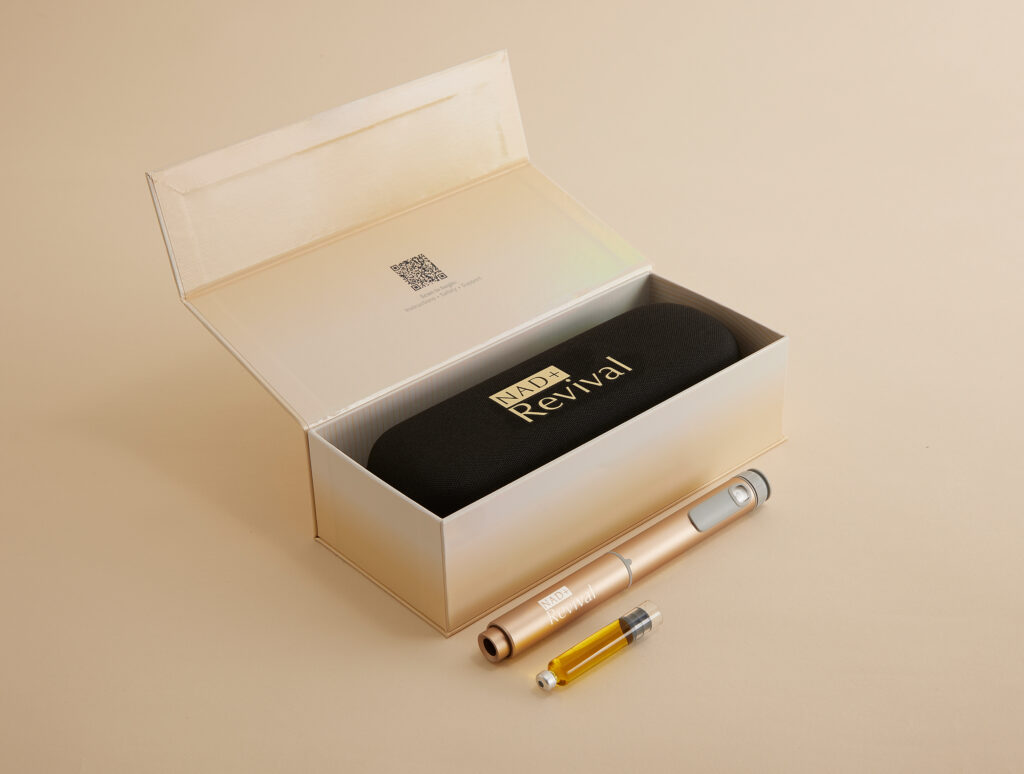
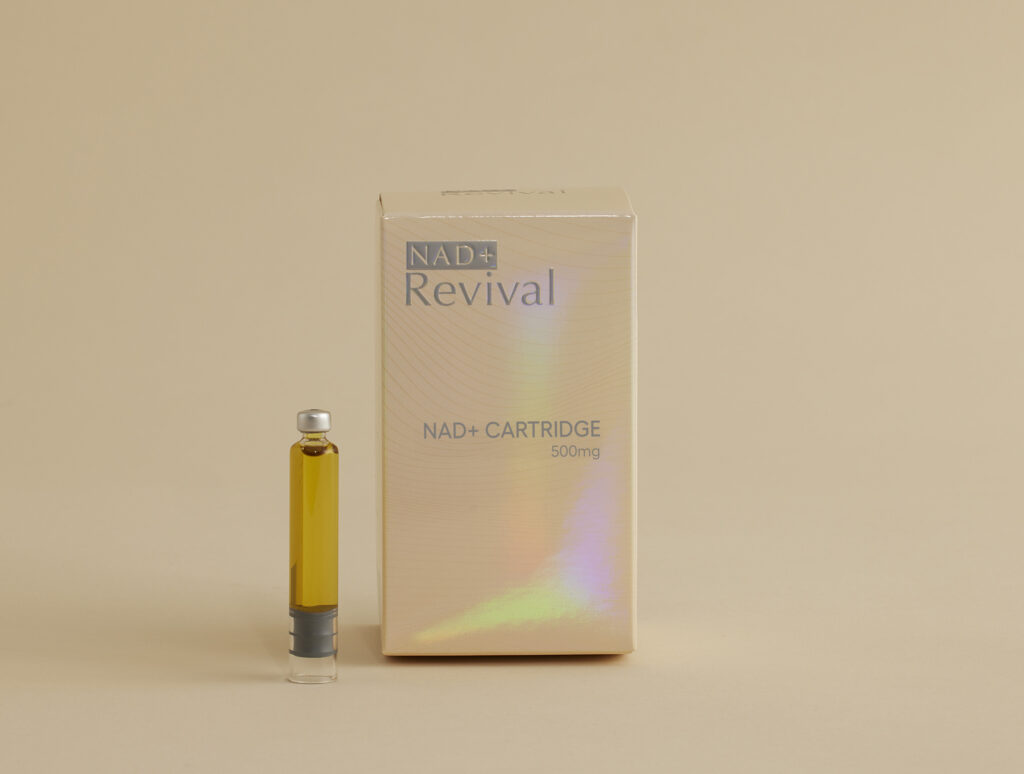
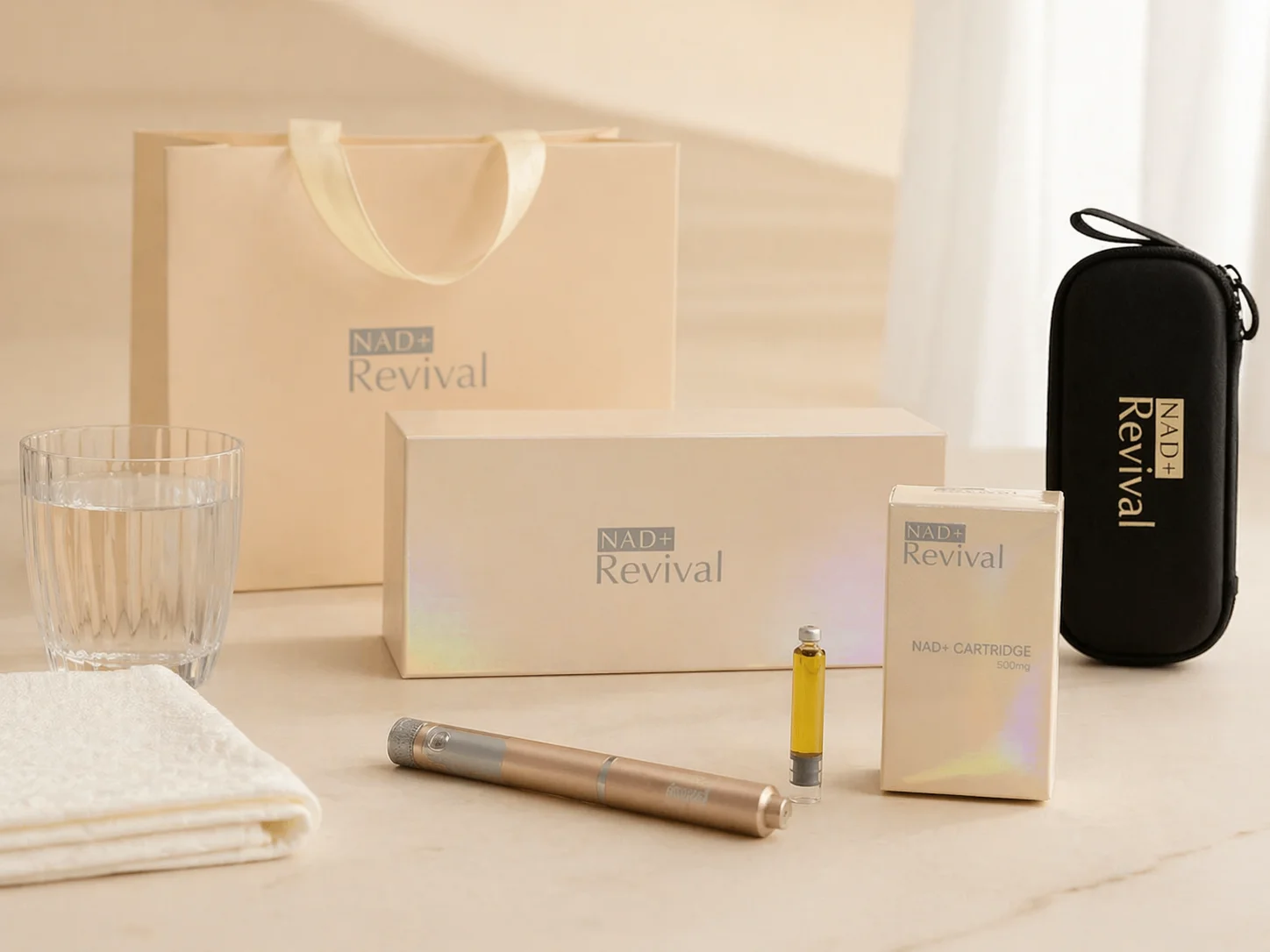
500mg in 2.5ml solution
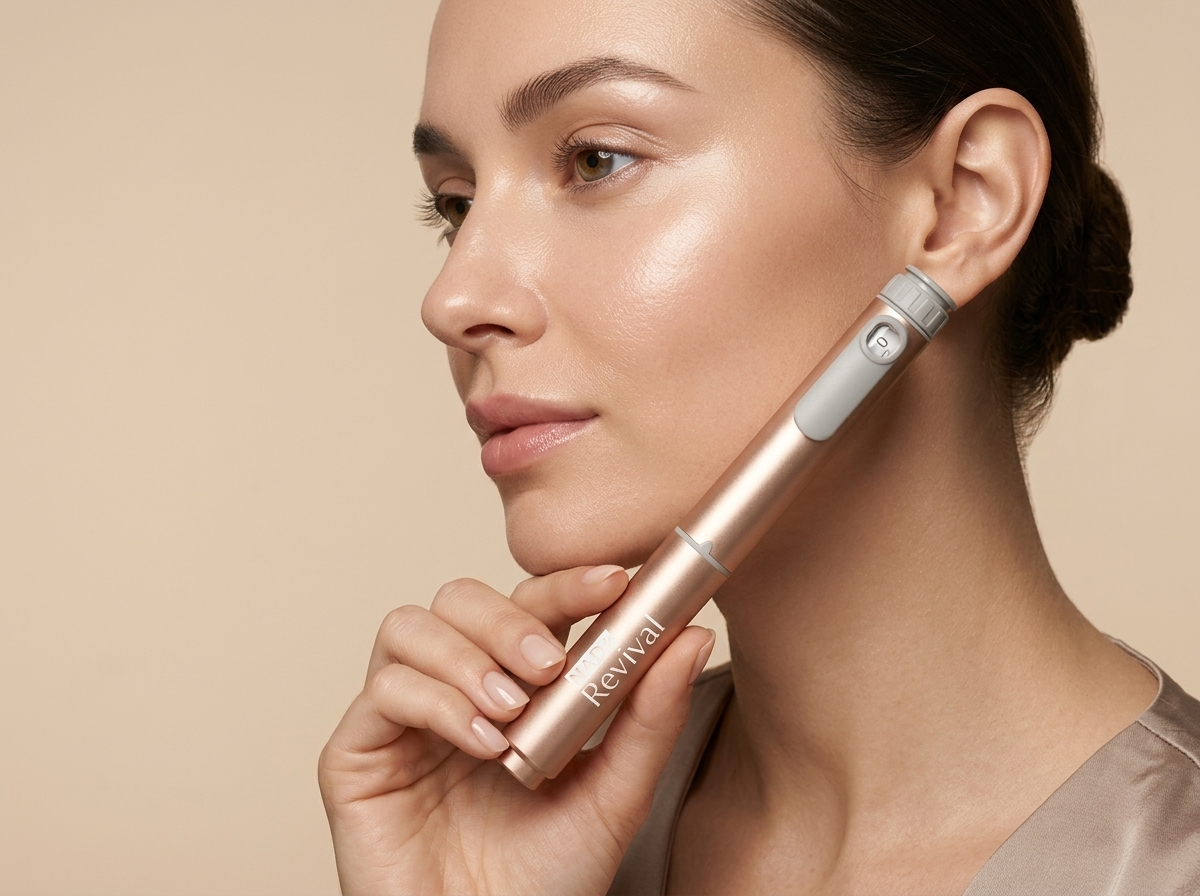
Precision-led reusable pen system
Tested and verified in GMP-certified labs
Designed for convenient subcutaneous microdosing
Easy to follow, easy to maintain
NAD+ Revival
Cartridge (500mg)
The NAD+ Revival Starter Kit includes everything needed to begin your NAD+ routine at home. Built around our reusable microdosing pen system, it supports a more consistent and practical approach to daily wellness, energy support and healthy ageing.
Each kit is designed for ease, precision and discretion, making it easier to integrate NAD+ into a modern wellness routine without disrupting your schedule.
£175.00 — available on subscription from £175.00 Original price was: £175.00.£157.50Current price is: £157.50. / month
An injection pen makes the subcutaneous delivery process precise and repeatable. The needle gauge, injection depth, and dose volume are standardised, removing the guesswork that comes with drawing up a syringe manually. For someone new to self-administration, this consistency matters considerably. Many UK adults who decide to buy a NAD+ injection pen cite the convenience and dosing accuracy of the pen format as a key factor in their decision.
NAD+ Delivery Methods: A Comparison
| Delivery Method |
Bioavailability Considerations |
Convenience |
Dose Precision |
| Oral capsule / powder |
Subject to first-pass metabolism; variable gut absorption |
Very high |
Moderate |
| Sublingual lozenge / spray |
Partial bypass of first-pass; absorption rate varies by formulation |
High |
Moderate |
| Intravenous (IV) drip |
100% systemic delivery; requires clinical setting |
Low (clinic visits required) |
Very high (clinician-administered) |
| Subcutaneous injection pen |
Bypasses gut and first-pass metabolism; enters bloodstream directly |
High (self-administered at home) |
High (pre-set dose mechanism) |
The Science Behind NAD+ and Cellular Health
To understand what you are investing in when you buy a NAD+ injection pen in the UK, it helps to understand the biological machinery involved. NAD+ operates in two primary capacities inside your cells.
First, as a coenzyme in redox reactions: NAD+ accepts electrons during metabolic processes — most notably glycolysis and the citric acid cycle — and is converted to NADH, which then drives the electron transport chain to produce ATP (cellular energy). This is fundamental biochemistry, not a wellness theory.
Second, as a substrate for regulatory enzymes: a class of proteins called sirtuins (SIRT1–SIRT7) depend on NAD+ to function. Sirtuins are involved in gene expression regulation, DNA damage response, and mitochondrial biogenesis. A 2017 review in Cell Metabolism described sirtuins as “metabolic sensors” whose activity is directly constrained by NAD+ availability (Cell Metabolism, 2017, DOI: 10.1016/j.cmet.2017.07.004). Additionally, enzymes called PARPs (poly-ADP-ribose polymerases), which play a role in DNA repair, also consume NAD+ as a substrate.
The relevance of this to supplementation is still being established in human trials. Preliminary evidence is encouraging: a randomised, double-blind, placebo-controlled trial published in Nature Communications in 2022 (n=30 participants) found that supplementation with an NAD+ precursor was associated with measurable increases in whole-blood NAD+ concentrations over an eight-week period (Nature Communications, 2022, DOI: 10.1038/s41467-022-30204-0). The clinical significance of those increases for human health outcomes remains under investigation.
It is important to state plainly: the research on NAD+ supplementation in humans is still maturing. Most sirtuin and PARP studies have been conducted in cell cultures or animal models. Human trials to date have generally been small and short in duration. NAD Revival presents this science in the spirit of transparency — we believe you deserve to understand what is established, what is preliminary, and what remains unknown.
Beyond sirtuins and PARPs, NAD+ also acts as a substrate for CD38, an enzyme that degrades NAD+ and whose activity increases with age-related low-grade inflammation — a process sometimes referred to in the research literature as “inflammageing.” A 2020 paper in Nature Metabolism identified CD38-driven NAD+ degradation as a key contributor to the age-associated decline in tissue NAD+ levels (Nature Metabolism, 2020, DOI: 10.1038/s42255-020-00284-x). Understanding this pathway helps explain why simply producing more NAD+ precursors may not fully compensate for increased degradation — and why researchers are exploring multiple angles to support NAD+ availability.
“The biology of NAD+ is genuinely fascinating — it sits at the intersection of energy metabolism, DNA integrity and cellular signalling. What we are learning is that maintaining NAD+ availability across tissues may be one of the more tractable levers we have for supporting long-term cellular health. The research is early, but the mechanistic rationale is robust.”
— Perspective from a longevity researcher specialising in NAD+ metabolism (shared in an editorial capacity; not a clinical recommendation)
What to Look for When You Buy a NAD+ Injection Pen in the UK
Not all NAD+ products are created equal. The supplement market in the UK is regulated by the Medicines and Healthcare products Regulatory Agency (MHRA) for medicines and by the Food Standards Agency (FSA) for food supplements. Injectable NAD+ products sold as food supplements must comply with FSA and MHRA guidelines and are not classified as prescription medicines. Understanding this distinction matters for your purchasing decision.
Here is what to look for when evaluating any NAD+ injection pen in the UK:
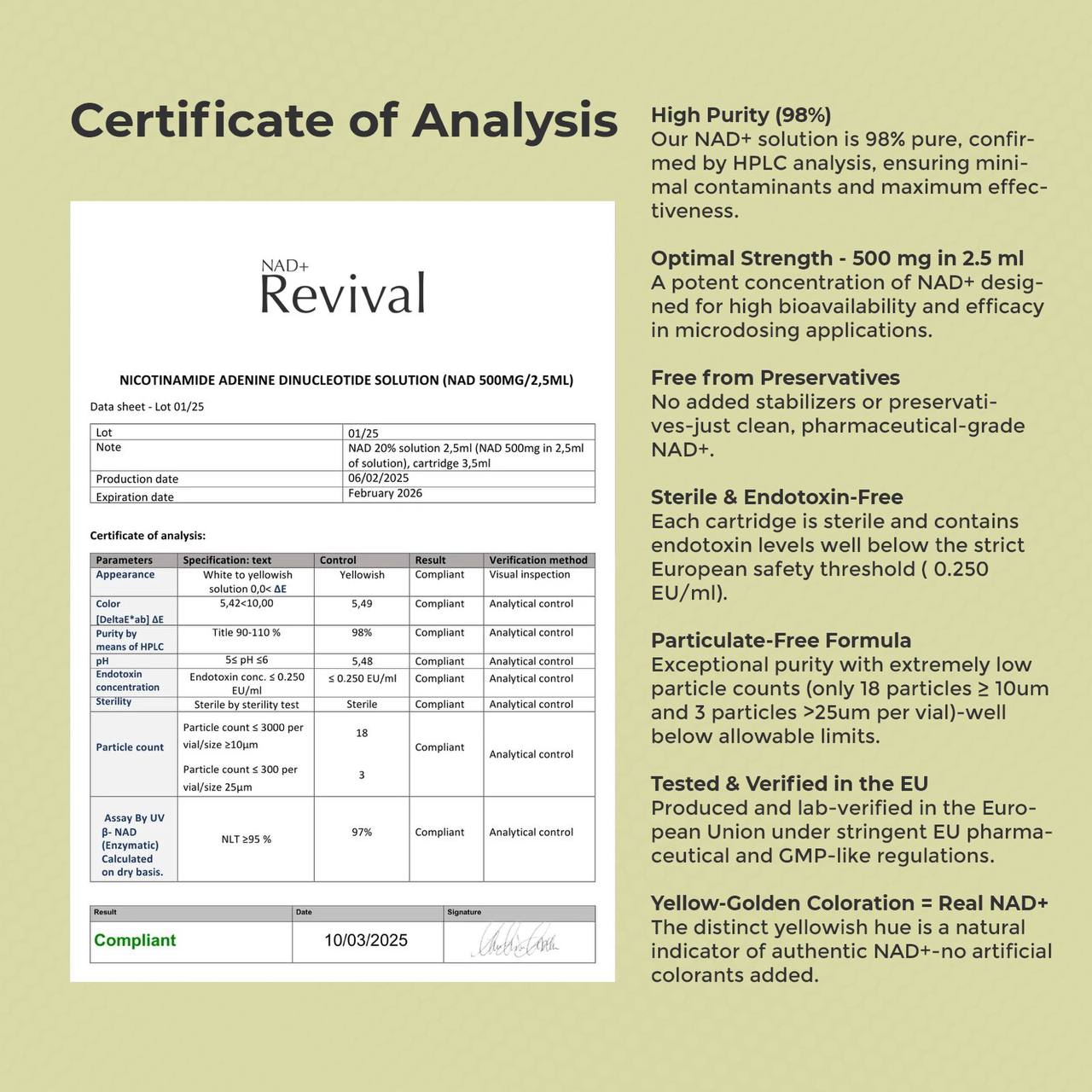
- Pharmaceutical-grade purity: Look for a Certificate of Analysis (CoA) from an accredited third-party laboratory. This should confirm NAD+ purity (ideally ≥99%) and verify the absence of heavy metals, endotoxins, and microbial contamination.
- Sterile formulation: Any injectable product must be prepared under sterile conditions. Confirm that the manufacturing facility follows Good Manufacturing Practice (GMP) standards.
- Transparent ingredient list: The product should clearly state the NAD+ concentration per dose, the excipients (e.g. sterile water for injection, buffering agents), and the pH of the solution.
- Appropriate needle gauge and pen mechanism: A fine-gauge needle (typically 29–31G) minimises discomfort during subcutaneous administration. The pen mechanism should allow accurate, consistent dosing.
- Cold-chain logistics: NAD+ in solution can degrade at room temperature over time. Check that the supplier stores and ships under appropriate temperature-controlled conditions.
- Clear usage guidance: The product should include written instructions for subcutaneous self-injection, sharps disposal guidance in accordance with NHS sharps disposal guidance, and a recommendation to consult a healthcare professional before use.
- No unsubstantiated claims: A responsible supplier will not claim their product addresses, treats, or prevents any condition. If a product makes bold therapeutic promises, treat that as a red flag.
- UK-based customer support: When you buy a NAD+ injection pen in the UK, choosing a supplier with accessible, responsive UK customer support ensures you can get help quickly if questions arise about your order or the product itself.
At NAD Revival, all products are accompanied by a third-party CoA and full ingredient transparency. You can review our sourcing and quality standards on our About page. You can also browse our full range of NAD+ injection pens to compare formulations and formats.
How to Use a NAD+ Injection Pen: A Practical Overview
Using a subcutaneous injection pen for the first time can feel daunting. In practice, the process is straightforward and comparable to how millions of people self-administer insulin or GLP-1 medications. Here is a general overview — this is not personalised medical advice, and you should always follow the specific instructions included with your product and seek guidance from a qualified healthcare professional.
- Preparation: Wash your hands thoroughly. Ensure the injection pen and solution cartridge are at room temperature (if refrigerated, allow 15–20 minutes). Check the solution is clear and colourless — do not use if cloudy or discoloured.
- Site selection: Common subcutaneous injection sites include the abdomen (at least 5cm from the navel), the outer thigh, or the upper outer arm. Rotate sites with each injection to avoid tissue irritation.
- Skin preparation: Wipe the chosen site with a sterile alcohol swab and allow to dry for 10–15 seconds.
- Injection: Pinch the skin gently, insert the needle at approximately 45–90 degrees depending on the tissue depth at the site, and deliver the dose according to the pen’s mechanism. Most modern pen devices are spring-loaded for consistent needle insertion depth.
- Aftercare: Apply gentle pressure with a clean swab after withdrawing the needle. Do not rub. Dispose of the used needle immediately in an approved sharps container.
Many customers who are new to self-injection find it helpful to speak with their GP or a practice nurse before their first use. The NHS website provides general guidance on subcutaneous injections that you may find reassuring as a reference point.
For a deeper exploration of NAD+ administration protocols and dosing considerations, visit our comprehensive NAD+ guide.
Safety Considerations and Who Should Consult a Doctor First
NAD+ injection pens are wellness supplements, not medicines. They are not intended to diagnose, treat, or prevent any disease. That said, as with any biologically active compound introduced into the body, there are sensible safety considerations every buyer should be aware of.
NAD+ is generally considered well-tolerated in healthy adults based on available human data. A 2022 safety study published in Frontiers in Ageing (n=60 participants) found no serious adverse events associated with NAD+ precursor supplementation over a 12-week period, with the most commonly reported effects being mild flushing and transient gastrointestinal discomfort — effects noted primarily with oral nicotinic acid forms rather than injectable NAD+ (Frontiers in Ageing, 2022, DOI: 10.3389/fragi.2022.929227).
You should consult a qualified healthcare professional before using a NAD+ injection pen if any of the following apply to you:
- You are pregnant, trying to conceive, or breastfeeding
- You have a diagnosed medical condition, particularly cardiovascular, hepatic, or renal conditions
- You are taking prescription medication — potential interactions with NAD+ metabolism have not been fully characterised in humans
- You have a known sensitivity to any component of the formulation
- You have a bleeding disorder or take anticoagulant medication
- You are under 18 years of age
This is not an exhaustive list. When in doubt, speak to your GP. You can also find general supplement safety guidance on the NHS vitamins and minerals page.
The UK Regulatory Landscape for Injectable NAD+ Products
Understanding the regulatory context helps you buy with confidence. In the UK, NAD+ injection pens sold as food supplements are not subject to the same pre-market approval requirements as licensed medicines. They are, however, required to comply with the General Food Law Regulation (EC) 178/2002 as retained in UK law, and must not be labelled or marketed with unauthorised health claims under the Food Supplements (England) Regulations 2003.
The MHRA regulates the boundary between food supplements and medicines. A product may be classified as a medicine “by function” if it is presented as having properties for treating or preventing disease — which is precisely why responsible NAD+ suppliers avoid therapeutic claims. The MHRA borderline products guidance is publicly available and worth reading if you want to understand how these distinctions are drawn.
NAD Revival operates fully within this framework. Our products are sold as food supplements and wellness products. We do not make claims that our NAD+ injection pen addresses or prevents any condition, and we actively encourage customers to seek medical advice where appropriate. Our full product information and approach to compliance is set out on our About page.
Comparing NAD+ Injection Pens: Key Specifications to Evaluate
When you are ready to buy a NAD+ injection pen in the UK, it is worth comparing products across a consistent set of specifications. Price alone is not a reliable quality indicator in this market. The following factors should inform your evaluation:
- NAD+ concentration per dose: Products vary widely. Confirm the milligrams of NAD+ delivered per injection and whether the stated dose refers to NAD+ itself or a precursor molecule.
- Solution pH and buffering: NAD+ in aqueous solution is most stable at a slightly acidic pH (approximately 3.5–5.5). A well-formulated product will specify pH and include buffering agents to maintain stability.
- Cartridge volume and number of doses: Calculate the cost per dose, not just the upfront price. A lower unit price may translate to a higher cost per injection if the concentration is lower.
- Pen reusability: Some injection pen systems use reusable pen bodies with replaceable cartridges; others are single-use. Reusable systems typically offer a lower environmental footprint and ongoing cost saving.
- Shelf life and storage requirements: Check the manufacturer’s guidance on refrigeration and shelf life once opened. NAD+ in solution degrades faster than lyophilised (freeze-dried) formats.
- Included sharps disposal: Responsible UK suppliers should either include a sharps container or provide clear guidance on obtaining one — in line with NHS sharps disposal requirements.
NAD Revival’s product pages provide full specification details for each item in our range. Visit our shop to compare options side by side.
Integrating NAD+ Into a Broader Longevity Lifestyle
Deciding to buy a NAD+ injection pen in the UK is rarely an isolated decision. The customers who report the most meaningful experiences tend to be those who approach NAD+ supplementation as one component of a broader, evidence-informed lifestyle — not as a standalone intervention.
The longevity research literature consistently points to a cluster of lifestyle factors associated with healthy cellular ageing: regular aerobic and resistance exercise (which itself upregulates NAD+ biosynthesis pathways via the NAMPT enzyme), adequate sleep, a whole-food diet rich in NAD+ precursor tryptophan and niacin, stress management, and avoidance of chronic alcohol use, which is known to deplete NAD+ reserves. A 2021 review in Cell Reports Medicine highlighted exercise as one of the most potent natural stimulators of intracellular NAD+ production, reinforcing the case that supplementation is best viewed as a complement to — not a replacement for — healthy habits.
Many of our customers report that they begin NAD+ supplementation alongside other evidence-based longevity protocols. Some work with functional medicine practitioners or longevity clinics; others self-direct their approach based on current research. Whatever your starting point, we encourage you to explore our blog for up-to-date, research-grounded perspectives on NAD+ and cellular health.
Ready to Start Your NAD+ Journey?
Browse our pharmaceutical-grade NAD+ injection pens — delivered discreetly to your door across the UK.
Shop NAD+ Pens →
Frequently Asked Questions
Is it legal to buy a NAD+ injection pen in the UK?
Yes. NAD+ injection pens sold as food supplements and wellness products are legal to purchase in the UK without a prescription. They are regulated under food supplement legislation rather than medicines law, provided the product does not make therapeutic claims. The MHRA publishes guidance on the distinction between food supplements and medicinal products — you can review this on the GOV.UK borderline products page. NAD Revival’s products are sold strictly as food supplements and wellness products.
How does a NAD+ injection pen differ from NMN or NR capsules?
NMN (nicotinamide mononucleotide) and NR (nicotinamide riboside) are NAD+ precursors — molecules the body converts into NAD+ after absorption. Oral capsules containing these precursors are subject to gut and hepatic metabolism before reaching the bloodstream. A NAD+ injection pen delivers NAD+ directly via subcutaneous injection, bypassing the gastrointestinal tract entirely. Whether this translates to meaningfully different physiological outcomes in humans is still an active area of research; the pharmacokinetic rationale for higher bioavailability via injection is well-grounded, but head-to-head human clinical trials comparing the two routes remain limited to date.
How often should I use a NAD+ injection pen?
There is no universally established dosing protocol for NAD+ injection pens, as human clinical trials have used varying frequencies and doses. Common approaches in the wellness community range from daily to several times per week, but individual needs, goals, and baseline NAD+ status all influence what may be appropriate. We strongly recommend discussing dosing with a qualified healthcare professional before beginning. Our NAD+ guide provides a research-informed overview of what current studies have used, which may help inform a conversation with your practitioner.
Are there any side effects associated with NAD+ injections?
Based on available human data, NAD+ supplementation is generally considered well-tolerated in healthy adults. The most commonly reported effects in clinical studies have been mild and transient — including localised injection site reactions (redness, minor swelling), and occasionally mild flushing. A 2022 study published in Frontiers in Ageing (n=60) found no serious adverse events over 12 weeks of supplementation. However, individual responses vary, and this is not an exhaustive safety profile. Always consult a healthcare professional if you experience unexpected symptoms, and seek immediate medical attention for any severe or unusual reaction.
Does NAD Revival ship NAD+ injection pens across the whole of the UK?
Yes. NAD Revival delivers to addresses across England, Scotland, Wales, and Northern Ireland. All orders are dispatched with appropriate temperature-controlled packaging to maintain product integrity during transit. For specific delivery timelines, packaging details, or any order queries, please visit our contact page. You can also browse our full product range at the NAD Revival shop.
Conclusion: Making an Informed Decision When You Buy a NAD+ Injection Pen in the UK
The decision to buy a NAD+ injection pen in the UK is a meaningful one, and it deserves a meaningful level of research. NAD+ is a genuine, well-characterised biological molecule with a scientifically coherent rationale for supplementation — but it is not a shortcut, a quick fix, or a substitute for medical care, and no responsible supplier will suggest otherwise.
What the current evidence does support is this: NAD+ is central to cellular energy metabolism and DNA repair processes; intracellular NAD+ availability declines with age in multiple tissues; and supplementation via injectable formats offers a pharmacokinetically rational delivery route that may avoid some of the degradation associated with oral administration. Human trials are maturing, and the field is advancing rapidly — our blog is updated regularly to reflect new research as it emerges.
As you consider your options, prioritise transparency, purity verification, and supplier accountability over price alone. Check for third-party Certificates of Analysis, confirm GMP manufacturing standards, and ensure the product includes clear self-injection guidance aligned with NHS recommendations. And always — always — speak to a qualified healthcare professional before beginning any new supplement protocol. Your health deserves that level of care.
For questions about our products, formulation, or ordering process, visit our contact page. To explore the full range of NAD+ injection pens available from NAD Revival, visit our shop.
NAD+ products sold by NAD Revival are food supplements and wellness products. They are not medicines and are not intended to diagnose, treat, or prevent any disease or medical condition. Always consult a qualified healthcare professional before starting any new supplement regimen.