NAD+ and DNA Repair: The Science Behind Cellular Longevity
Longevity Science •
Mar 23, 2026 •
Table of Contents
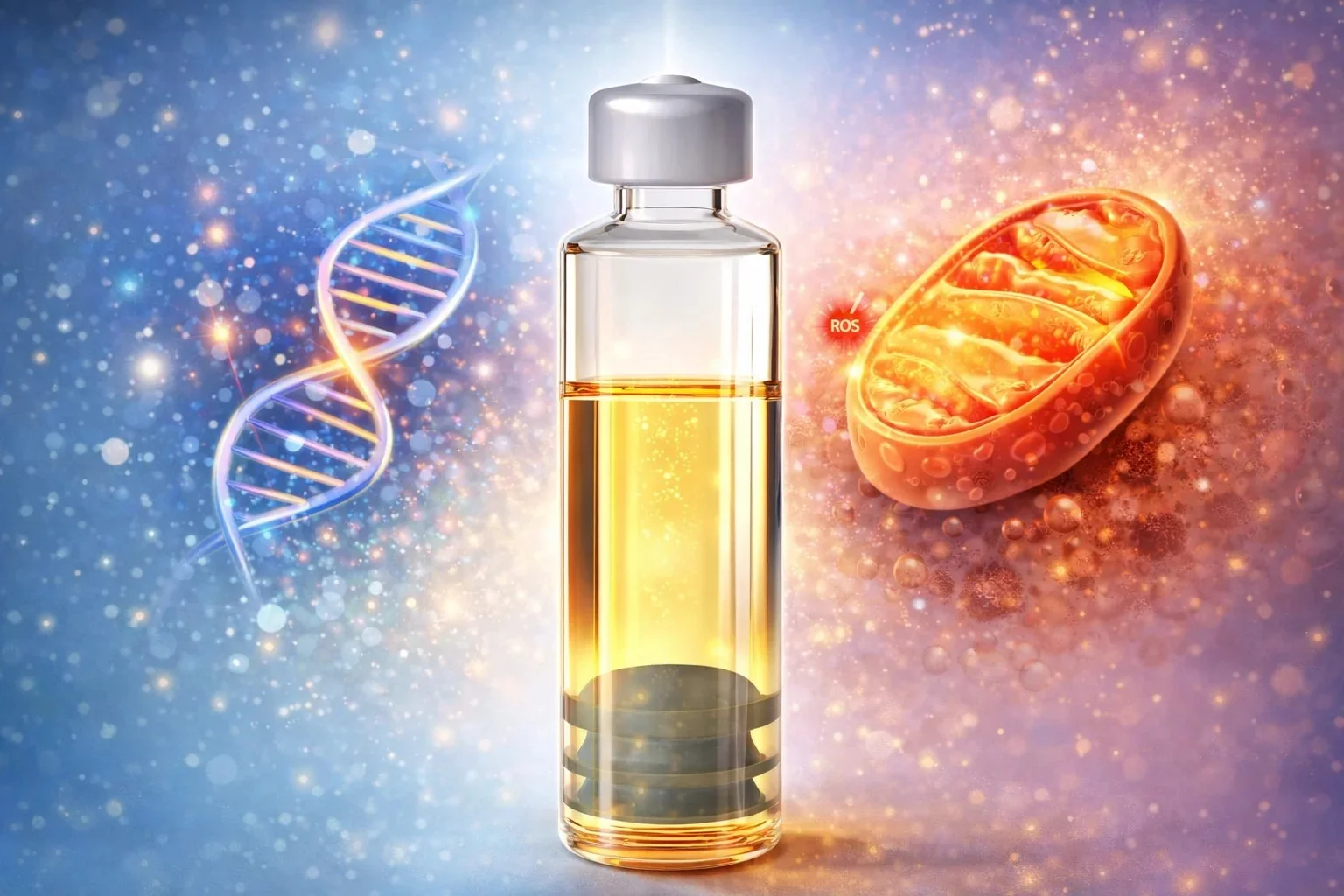
For decades, aging was seen as a passive process, something that just happens. But today, research is revealing a much deeper truth. Your body is constantly repairing itself, especially at the level of DNA, where damage occurs every single day. From environmental stressors to natural metabolic processes, your DNA is under continuous pressure. The real difference between a body that thrives and one that declines lies in how well this repair system functions. At the center of this process is NAD+, a molecule that has become one of the most studied components in longevity science. The relationship between DNA repair and NAD is not just theoretical—it is fundamental to how your cells survive, adapt, and function over time.
Understanding NAD+ at a Cellular Level
NAD+ is a coenzyme found in all living cells, and its primary role is often described as helping convert food into energy. But that explanation barely scratches the surface. NAD+ is deeply involved in regulating cellular repair mechanisms, especially those responsible for maintaining DNA integrity. As your body ages, NAD+ levels naturally decline, and this decline has a direct impact on how efficiently your cells can repair themselves. When NAD+ levels drop, the systems responsible for identifying and fixing DNA damage become less effective. This is where the connection between DNA repair and NAD becomes critically important, because without sufficient NAD+, your cells simply cannot maintain the same level of performance or resilience.
The Mechanism Behind DNA Repair and NAD
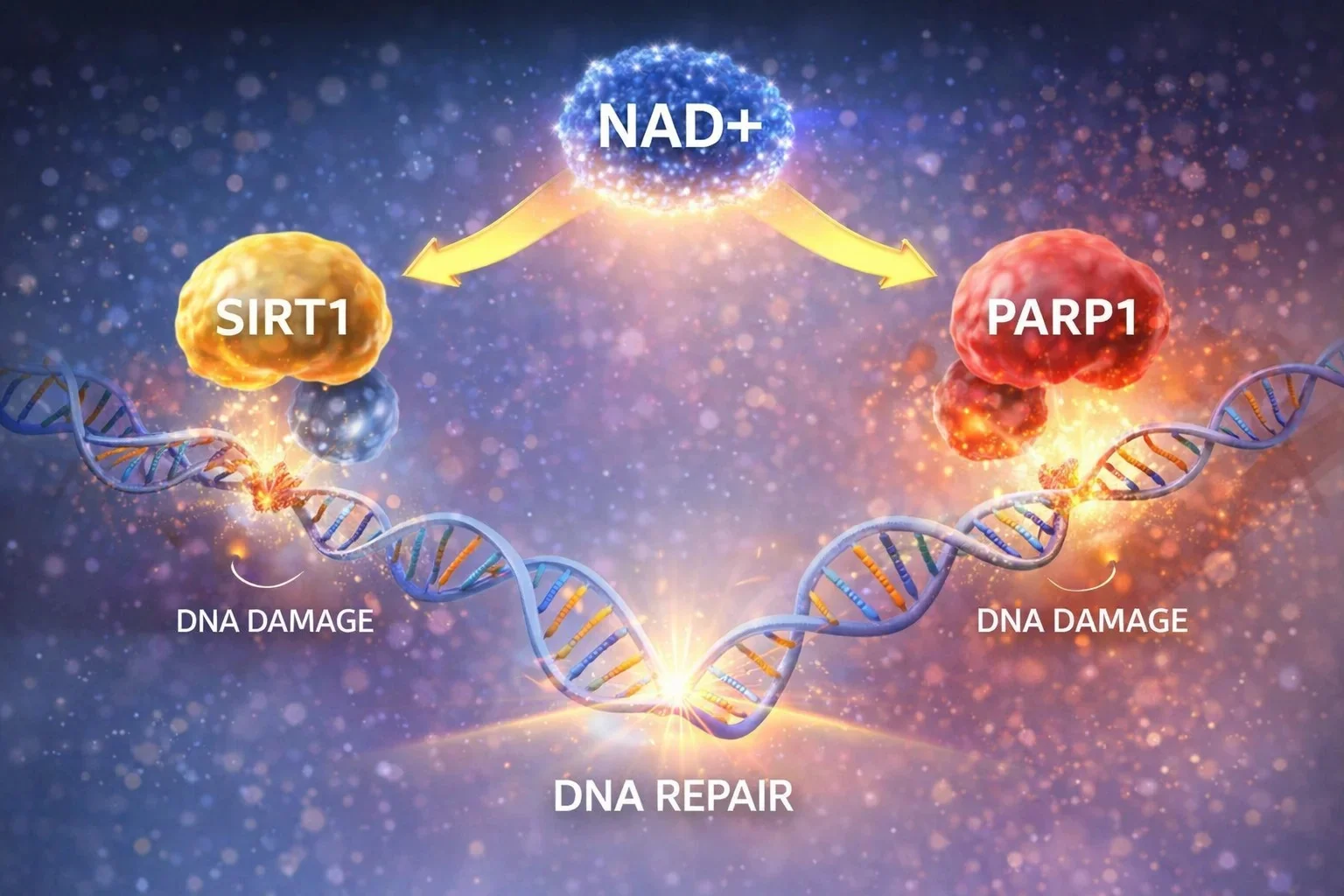
Inside your cells, there are specialized enzymes designed to detect and repair DNA damage. These include PARPs and sirtuins, both of which play essential roles in maintaining genomic stability. However, these enzymes rely heavily on NAD+ to function. Without NAD+, they cannot activate properly. This means that the entire repair process slows down. The concept of DNA repair and NAD is essentially about this dependency. NAD+ acts as the fuel that powers the repair system. When NAD+ is abundant, the repair process is efficient and consistent. When it is depleted, damage accumulates over time, leading to cellular dysfunction and accelerated aging. This is why researchers consider NAD+ one of the most important molecules in the biology of aging.
Real-World Impact on Energy and Performance
While the science behind NAD+ is complex, the effects it produces can be surprisingly easy to notice. People who improve their NAD+ levels often describe a gradual but noticeable shift in how they feel. Energy becomes more stable throughout the day, rather than fluctuating. Mental clarity improves, making it easier to focus for longer periods. Recovery after physical or mental effort becomes smoother. These changes are not sudden or extreme, but they are consistent. They reflect improvements happening at the cellular level, driven by better DNA repair and NAD activity. It is not about quick fixes, but about restoring balance in the body’s natural systems.
Why NAD+ Declines Faster in Modern Life
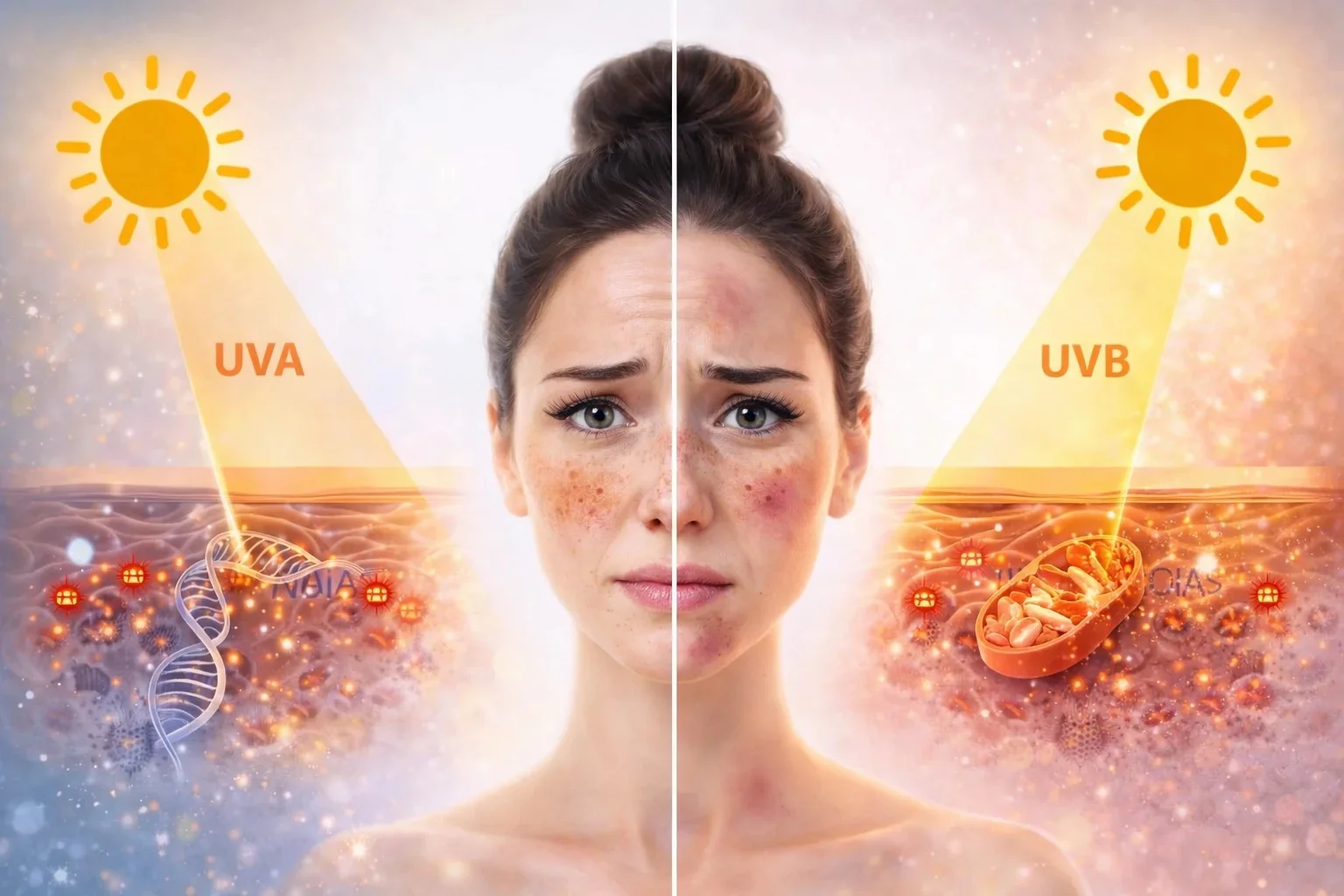
Although aging is the primary factor behind NAD+ decline, modern lifestyle accelerates this process significantly. Chronic stress, poor sleep, processed foods, and lack of physical activity all contribute to lower NAD+ levels. Additionally, environmental exposure plays a major role. Ultraviolet radiation, for example, causes direct DNA damage, forcing the body to use more NAD+ for repair. Without proper UV protection, this demand increases even further, depleting NAD+ reserves faster than the body can replenish them. Over time, this creates a cycle where damage accumulates and repair becomes less efficient.
Strategies to Support NAD+ Levels
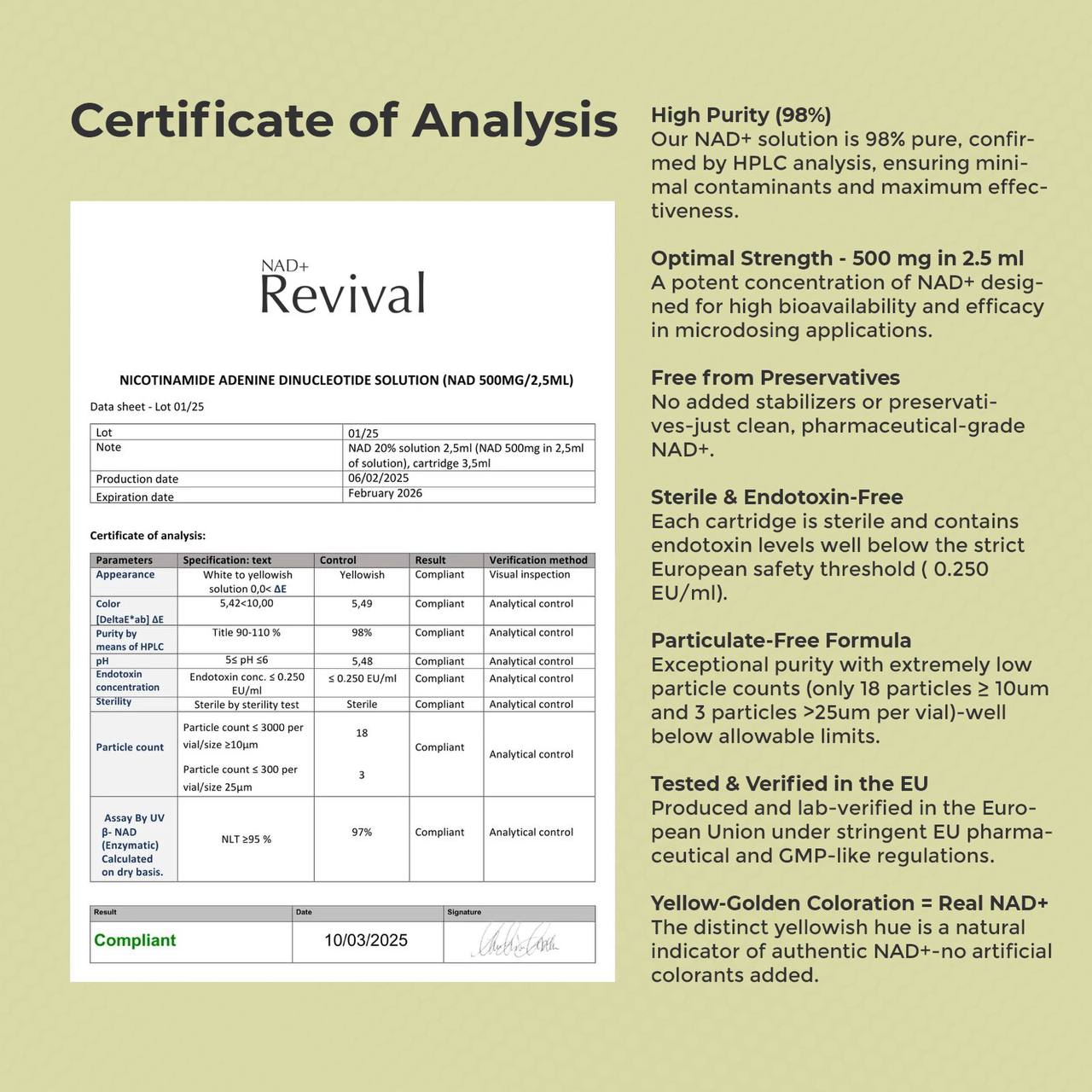
Supporting NAD+ levels requires a combination of lifestyle choices and targeted interventions. Foundational habits such as consistent sleep, regular exercise, and balanced nutrition are essential. However, for many people, these alone are not enough to fully restore optimal NAD+ levels. This is why structured solutions have gained attention. Products like NAD+ Revival are designed to support cellular function by helping increase NAD+ availability. For those just starting, a Starter kit provides a simple and effective entry point, while Cartridge systems are often used for maintaining long-term consistency. These approaches are not replacements for healthy living, but rather tools that work alongside it to support the body’s natural repair systems.
Table – NAD+ Levels and Their Effects
Aspect
Low NAD+
High NAD+
DNA Repair
Inefficient
Effective
Energy
Unstable
Consistent
Focus
Reduced
Improved
Skin Health
Aging signs
Healthier appearance
Cellular Function
Declining
Optimized
The Bigger Picture of Cellular Longevity
When we talk about longevity, we often focus on lifespan, but the real goal is healthspan—the quality of those years. Maintaining strong DNA repair and NAD function is one of the most important factors in achieving this. It allows cells to continue functioning properly, even as the body ages. Rather than simply slowing aging, this approach supports the body’s ability to adapt and maintain balance over time. This is what makes NAD+ such a powerful focus in modern health science.
Is This Backed by Real Science?
Unlike many trends in the health industry, NAD+ is supported by extensive scientific research. Studies have consistently shown that NAD+ levels influence cellular repair, metabolism, and overall function. The relationship between DNA repair and NAD is not speculative; it is well-established in biochemical pathways. While research is still ongoing, the current evidence strongly supports the idea that maintaining NAD+ levels is essential for long-term health.
Who Should Pay Attention to NAD+?
The benefits of NAD+ are not limited to a specific group. Anyone experiencing low energy, reduced focus, or signs of aging may benefit from supporting their NAD+ levels. It is particularly relevant for individuals under high stress, those with demanding lifestyles, and anyone interested in optimizing their long-term health. The earlier this process is supported, the more effective it tends to be.
FAQ (Frequently Asked Questions)
What does NAD+ actually do in DNA repair?
NAD+ provides the necessary energy for enzymes that detect and repair DNA damage, making it essential for maintaining cellular integrity.
How quickly can NAD+ levels improve?
Changes are usually gradual, with noticeable improvements appearing over several weeks.
Is NAD+ supplementation necessary?
Not always, but it can significantly enhance results when combined with a healthy lifestyle.
Can NAD+ improve skin health?
Yes, by improving cellular repair processes, it can contribute to healthier and more resilient skin.
Conclusion
At the end of the day, your body is constantly working to repair itself. The question is whether it has the resources it needs to do that effectively. The connection between DNA repair and NAD highlights just how important this molecule is for maintaining balance, energy, and resilience. This is not about reversing time, but about supporting the systems that allow your body to function at its best for as long as possible.
If you’re ready to support your body at the cellular level and improve your energy, focus, and long-term health, now is the time to act. Start with a structured approach, build consistency, and give your body what it needs to repair and thrive. Your future health is shaped by what you do today—one decision, one habit, and one cell at a time.