Mitochondrial Support Supplements: What Actually Works?
Mitochondrial Health •
Mar 26, 2026 •
Table of Contents
Mitochondria are often referred to as the “powerhouses” of the cell, but in reality, their role extends far beyond energy production. They regulate cellular signaling, control oxidative stress, and play a central role in aging and metabolic health.
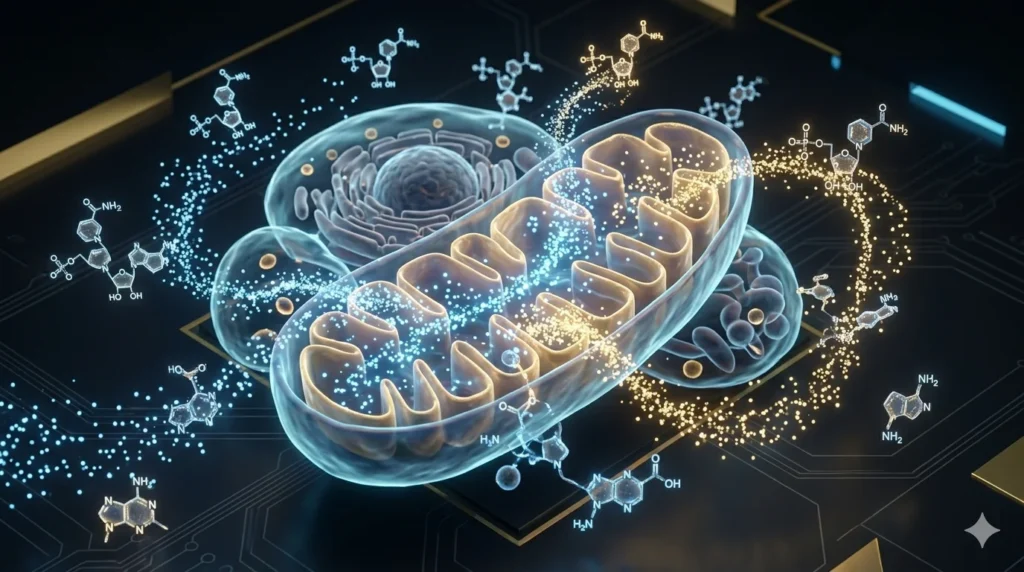
As interest in longevity and cellular optimization grows, the demand for a reliable mitochondrial supplement has increased dramatically. Much of this interest is directly tied to how mitochondria influence NAD+ cellular health, a key factor in maintaining efficient energy production and cellular repair.
However, not all supplements deliver what they promise. Many products are marketed with bold claims, yet only a few are backed by meaningful scientific evidence. Understanding what actually works requires going beyond marketing language and focusing on how these compounds interact with mitochondrial biology.
Why Mitochondrial Health Matters for Energy and Longevity
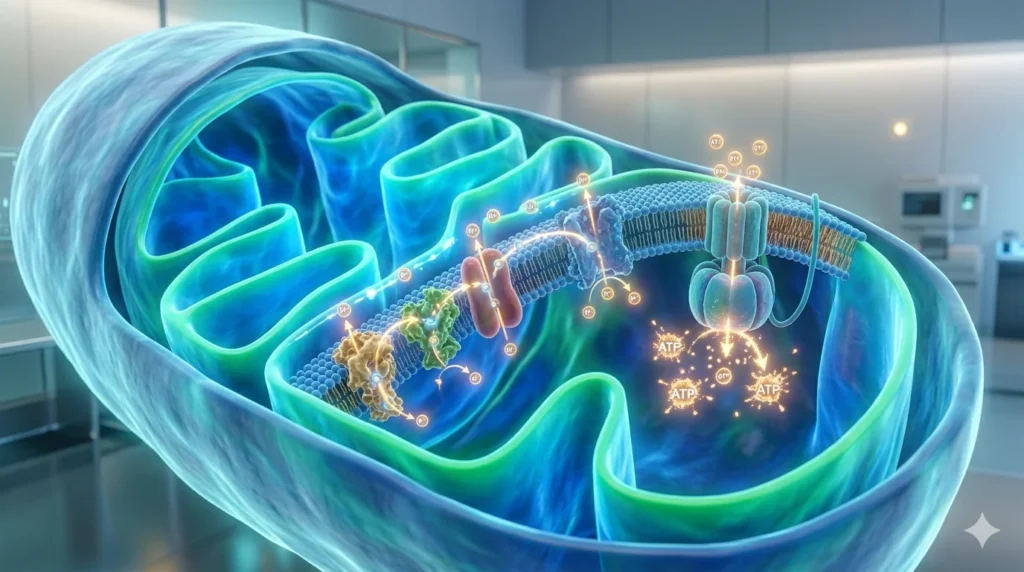
When mitochondrial function declines, the effects are not subtle. People experience fatigue, slower recovery, brain fog, and a general decline in metabolic efficiency. This is because ATP production—the core energy currency of the body—becomes impaired.
A high-quality mitochondrial supplement is designed to support ATP synthesis, reduce oxidative damage, and enhance mitochondrial biogenesis. But more importantly, it should work at the cellular level, not just provide a temporary energy boost like caffeine.
Mitochondrial dysfunction has also been linked to age-related diseases, including neurodegenerative conditions and metabolic disorders. These changes are often associated with declining NAD+ levels, which directly impact how efficiently mitochondria produce energy and maintain cellular balance.
What Defines an Effective Mitochondrial Supplement
The effectiveness of a mitochondrial supplement depends on how well it supports key biological pathways. These include NAD+ metabolism, antioxidant defense, and electron transport chain efficiency.
To better understand how these systems work together, it is essential to first understand What Is NAD, as it plays a foundational role in mitochondrial energy production and cellular repair mechanisms.
An effective supplement must be bioavailable, meaning it can actually reach the mitochondria in active form. Many compounds fail not because they are ineffective, but because they are poorly absorbed or degraded before reaching target cells.
The Science Behind Popular Mitochondrial Supplements
Several compounds have consistently shown potential in supporting mitochondrial function. Among them, NAD+ precursors, Coenzyme Q10, and certain polyphenols stand out due to their mechanisms of action and clinical relevance.
A mitochondrial supplement that includes NAD+ boosters, such as NMN or NR, helps restore declining NAD+ levels, which are essential for cellular energy metabolism. CoQ10, on the other hand, plays a direct role in the electron transport chain, making it critical for ATP production.
Polyphenols like resveratrol activate pathways associated with mitochondrial biogenesis, particularly through sirtuin activation. These compounds do not act as direct energy boosters but instead improve the efficiency and resilience of mitochondria over time.
Comparing Key Mitochondrial Ingredients
Below is a comparison of some of the most widely used compounds in mitochondrial support:
Compound
Primary Function
Key Benefit
Scientific Support
NMN / NR
NAD+ precursor
Boosts cellular energy
High
CoQ10
Electron transport chain support
Improves ATP production
High
Alpha Lipoic Acid
Antioxidant & mitochondrial enzyme cofactor
Reduces oxidative stress
Moderate
Resveratrol
Sirtuin activation
Supports mitochondrial biogenesis
Moderate
Acetyl-L-Carnitine
Fatty acid transport into mitochondria
Enhances energy metabolism
High
What makes a mitochondrial supplement effective is not just the presence of these ingredients, but their dosage, formulation, and delivery system.
Do Mitochondrial Supplements Really Work?
The short answer is yes—but with conditions. A well-formulated mitochondrial supplement can significantly improve energy levels, cognitive clarity, and metabolic function. However, results are not instantaneous.
Unlike stimulants, mitochondrial support works gradually by improving cellular efficiency. This means users often notice subtle but consistent improvements over weeks rather than hours.
Scientific studies support the use of NAD+ precursors and CoQ10 in improving mitochondrial performance, particularly in aging populations. However, effectiveness varies depending on lifestyle factors such as diet, sleep, and physical activity.
How to Choose the Right Mitochondrial Supplement
Choosing the right mitochondrial supplement requires more than reading labels. It involves understanding formulation quality, ingredient synergy, and manufacturing standards.
Products that combine NAD+ support with antioxidants and metabolic cofactors tend to deliver better results. Transparency is also critical—brands that disclose exact dosages and sourcing are generally more trustworthy.
It is also important to consider delivery methods. Liposomal or sublingual formulations may offer better absorption compared to traditional capsules.
The Role of NAD+ in Mitochondrial Optimization
NAD+ is central to mitochondrial health. Without sufficient NAD+, the electron transport chain cannot function efficiently, leading to reduced ATP production.
A mitochondrial supplement that focuses on NAD+ restoration addresses one of the root causes of cellular aging. This is why NAD+ boosters are often considered the foundation of mitochondrial support strategies.
As NAD+ levels decline with age, replenishing them becomes essential for maintaining metabolic and cognitive performance. This has also led to increased interest in more direct approaches, including therapies that explore Why Inject NAD+? as a faster method of restoring cellular energy balance.
Mitochondrial Supplements and Anti-Aging
The connection between mitochondrial function and aging is well established. As mitochondria become less efficient, cells accumulate damage, leading to visible and functional signs of aging.
A targeted mitochondrial supplement can help slow this process by improving cellular repair mechanisms and reducing oxidative stress. While it is not a “cure” for aging, it plays a significant role in promoting healthy longevity.
This is particularly relevant for individuals interested in biohacking or preventive health strategies.
Realistic Expectations and Results Timeline
Understanding what to expect from a mitochondrial supplement is crucial. Improvements in energy and mental clarity may begin within a few weeks, but deeper cellular benefits take longer.
Consistency is key. Unlike short-term solutions, mitochondrial support requires ongoing use to maintain benefits. Users who combine supplementation with healthy lifestyle habits tend to see the most significant results.
Conclusion: What Actually Works?
In a market flooded with options, only a handful of supplements truly support mitochondrial health in a meaningful way. The most effective approach involves combining NAD+ boosters, antioxidants, and metabolic cofactors in a well-formulated product.
A high-quality mitochondrial supplement does not just increase energy—it enhances the efficiency and resilience of your cells. This makes it a powerful tool not only for daily performance but also for long-term health and longevity.
For those looking to take the first step, choosing a well-designed Starter kit can provide a structured and effective way to begin supporting mitochondrial function and improving overall cellular health.
FAQs
What is the best mitochondrial supplement?
The best option typically includes NAD+ precursors, CoQ10, and antioxidants for comprehensive support.
How long does it take to see results?
Most people notice improvements within 2–4 weeks, with deeper benefits over time.
Are mitochondrial supplements safe?
Generally yes, when taken at recommended dosages and sourced from reputable brands.